
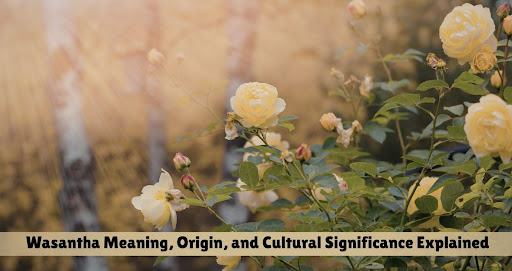
Names hold a special place in our hearts and cultures. They often carry deep meanings, rich histories, and cultural significance that can shape identities. One such name is Wasantha, which resonates strongly within Sri Lankan culture. With its melodic sound wasatha and profound implications, Wasantha has become a cherished choice for many families.
But what does the name really mean? Where does it come from, and why is it so significant in various contexts? Understanding the layers behind Wasantha allows us to appreciate not just the name itself but also the traditions it represents.
This blog post delves into the meaning of Wasantha; explores its origin; highlights notable personalities with this name; and examines its role in literature and popular culture.
Join us as we unravel the intricate tapestry woven by this beautiful name, shedding light on how it reflects tradition while remaining relevant today. Whether you’re considering naming your child Wasantha or simply curious about its significance, there’s much to discover!
What Does the Name Wasantha Mean
The name Wasantha is rich in meaning and significance, particularly within Sri Lankan culture. It is commonly associated with the beauty of nature, symbolizing the blossoming of flowers.
This connection to flora reflects a sense of renewal and growth.
Wasantha can also be interpreted to mean “spring,” denoting a time of rejuvenation and new beginnings. Much like the season itself, those named Wasantha are often seen as bringing warmth and positivity into their surroundings.
In Buddhist contexts, which heavily influence Sri Lankan culture, names that resonate with natural elements carry spiritual importance.
They embody qualities such as harmony and balance—traits that many aspire to cultivate in their lives.
Furthermore, Wasantha is sometimes linked to auspiciousness and good fortune. Parents choosing this name for their children often do so with hopes for happiness and success throughout life’s journey.
The essence of Wasantha transcends mere letters or sounds; it encapsulates ideals cherished by families across generations.
The name serves not just as an identifier but also as a reflection of values deeply ingrained in cultural heritage.
The Origin and Etymology of Wasantha
The name Wasantha has its roots deeply embedded in the Sinhalese language, primarily spoken in Sri Lanka.
Its etymology can be traced back to the word “wasanthaya,” which translates to “spring” or “the season of blooming.” This connection signifies renewal and vitality, essential aspects celebrated within Sri Lankan culture.
In many South Asian cultures, names often carry significant meanings tied to nature and seasons. Wasantha embodies this tradition by representing the lush beauty of springtime.
The imagery associated with this name evokes feelings of growth and rejuvenation, resonating strongly with parents looking for hopeful connotations when naming their children.
Wasantha is believed to symbolize a time when flowers bloom and nature flourishes after the monsoon rains. It encapsulates a sense of joy and positivity that aligns well with personal aspirations for a child’s future.
In addition to its linguistic roots, historical texts also reference Wasantha in relation to various cultural practices during seasonal festivals.
These traditions highlight how integral seasonal changes are within societal celebrations throughout time.
As such, understanding the origin of Wasantha provides insight into not just a name but an entire ethos surrounding life cycles—reflecting both natural beauty and emotional depth cherished by families across generations.
Cultural Significance of Wasantha in Sri Lanka
Wasantha holds a special place in Sri Lankan culture, symbolizing the essence of spring and renewal. The name is derived from the Sinhala word for “spring,” embodying freshness, growth, and vitality.
This connection to nature resonates deeply within Sri Lankan traditions where seasons are celebrated through festivals and rituals.
In Buddhist contexts, Wasantha is often associated with auspicious beginnings. Many families choose this name for boys born during the season of Vesak—when Buddha’s birth is commemorated—linking it to peace and enlightenment.
Its serene connotations make it a favored choice among parents seeking meaningful names for their children.
Culturally, Wasantha represents more than just a time of year; it reflects the agricultural cycles that sustain communities across Sri Lanka.
The arrival of spring heralds new harvests and festivities that unite people in celebration. Thus, naming someone Wasantha signifies hope for prosperity and abundance.
Moreover, Wasantha’s significance extends into art forms like poetry and music rooted in Sri Lankan heritage.
Artists often evoke themes tied to nature’s beauty found in springtime through their works—the very spirit embodied by this name.
The richness embedded within the name transcends mere identity; it carries forward stories that connect generations while honoring cultural roots unique to Sri Lanka.
Famous People Named Wasantha
Wasantha is a name that carries significance in various fields, particularly in Sri Lanka. Many individuals have made notable contributions while bearing this name.
One prominent figure is Wasantha Perera, a celebrated cricketer known for his skills on the field during the 1980s and 1990s. His performances garnered admiration and respect from fans both locally and internationally.
Another famous Wasantha is Wasantha Kumarasiri, a distinguished academic renowned for his research in environmental science.
He has published numerous papers addressing critical issues like climate change and biodiversity conservation, making significant strides toward sustainability.
In the world of arts, Wasantha Rajapaksha stands out as an accomplished musician who blends traditional Sri Lankan music with contemporary styles.
His innovative approach has not only entertained but also educated audiences about Sri Lanka’s rich cultural heritage.
Additionally, there are many community leaders named Wasantha who work tirelessly to uplift local communities through social initiatives. Their dedication often inspires others to take action towards meaningful change.
These individuals exemplify the diverse paths one can take under the name Wasantha—each contributing uniquely to their respective fields while carrying forward the cultural legacy associated with it.
Wasantha in Literature, Media, and Popular Culture
Wasantha has found its way into various forms of literature, media, and popular culture, reflecting the rich heritage associated with the name.
In Sri Lankan literature, characters named Wasantha often embody traits such as wisdom and resilience. These stories highlight traditional values while showcasing contemporary challenges.
In cinema, Wasantha is frequently portrayed in roles that emphasize familial bonds and cultural identity. Films featuring a character named Wasantha typically explore themes of love, sacrifice, and societal expectations. This makes the name resonate deeply with audiences who share similar backgrounds or experiences.
Television dramas also include characters named Wasantha, often representing moral integrity or leadership within their communities. These portrayals contribute to an understanding of what it means to be a part of Sri Lankan society today.
Music is another medium where the name appears prominently. Songs that mention Wasantha evoke nostalgia and fond memories tied to family gatherings or celebrations. Such references elevate its status beyond just a name; they become symbols of cherished relationships.
Social media platforms have seen an increase in discussions surrounding individuals named Wasantha too. People share personal anecdotes about friends or family members bearing this name, thereby fostering community connections through shared narratives.
How Wasantha Reflects Tradition and Heritage
The name Wasantha carries deep roots in Sri Lankan culture, embodying the rich traditions and heritage of the island. Traditionally, names like Wasantha are often chosen based on their meanings and connections to nature or specific times of year. In this case, Wasantha is associated with the Sinhala word for “spring,” a season that signifies renewal and growth.
In many Sri Lankan families, choosing a name like Wasantha reflects a strong connection to cultural values and customs. It’s not just about aesthetics; it symbolizes hope and prosperity. The arrival of spring brings new life to flora and fauna, mirroring aspirations parents have for their children.
Wasantha also resonates with various festivals celebrated throughout Sri Lanka. These events highlight agricultural cycles where planting occurs during springtime. By naming their child Wasantha, parents may wish to invoke these seasonal blessings.
Furthermore, the influence of Buddhism in Sri Lanka adds another layer to the significance of names like Wasantha. Many believe that names carry spiritual weight that can impact one’s destiny or fortune.
Choosing a culturally significant name such as Wasantha strengthens familial bonds while celebrating centuries-old traditions unique to Sri Lanka’s vibrant identity.
Common Misconceptions About the Name Wasantha
Many people have misconceptions about the name Wasantha, often attributing it to singular meanings or cultural contexts. One common myth is that Wasantha exclusively refers to males. While traditionally more popular among boys in Sri Lanka, it is a unisex name and can be found used for girls as well.
Another misconception revolves around its meaning. Some believe that Wasantha only signifies a specific season or time of year. In reality, the name derives from Sinhalese roots associated with beauty and brightness, reflecting positive attributes rather than just seasonal connotations.
Additionally, many assume that names like Wasantha are outdated or old-fashioned. This isn’t accurate; while deeply rooted in tradition, the name continues to thrive as new generations embrace its significance and heritage.
People also mistakenly think Wasantha has no relevance outside Sri Lankan culture. The truth is that due to globalization and cross-cultural exchange, this name has garnered interest from various communities globally.
Some may view names like Wasantha as difficult to pronounce or spell correctly. However, once familiarized with its phonetics—wah-sahn-tha—it becomes quite straightforward for speakers of different languages.
Naming Trends: Why Wasantha Remains Popular
Wasantha has maintained its popularity over the years for several compelling reasons. This name resonates deeply within Sri Lankan culture, often tied to the essence of spring and renewal. As a name that signifies new beginnings, it appeals to parents looking for hope and positivity for their children.
In recent years, there’s been a resurgence in interest in traditional names. Many parents are turning back to cultural roots as they seek meaningful connections with their heritage. Wasantha stands out in this trend due to its rich history and beautiful meaning.
Another factor contributing to its enduring appeal is the association with well-respected figures who bear the name. These individuals have left an indelible mark on various fields such as sports, arts, and academia. Their accomplishments enhance the positive perception of Wasantha among new generations.
The phonetic beauty of the name also plays a role in its continued usage. Its melodic sound makes it easy to pronounce while still feeling exotic enough for those outside Sri Lanka’s borders.
Naming trends indicate that unique yet culturally significant names are increasingly favored by modern parents. Wasantha fits perfectly into this category—combining tradition with contemporary relevance.
How to Choose Wasantha as a Baby Name
Choosing a name for your baby can be an exciting yet daunting task. If you’re considering Wasantha, there are several factors to keep in mind. Think about the meaning of the name. Wasantha represents brightness and auspiciousness in many cultures, which could symbolize hope and positivity for your child’s future.
Next, consider how the name sounds with your last name. Say it out loud multiple times to see if it flows well together. The rhythm and phonetics matter; names that have a pleasant sound will often resonate more with people.
Cultural significance is another important aspect. Since Wasantha has deep roots in Sri Lankan culture, you may want to explore its background further if you or your partner share those ties. Understanding this connection can enhance the personal value of the name.
Think about nicknames as well; they often evolve naturally from longer names like Wasantha. Possible nicknames such as “Wasa” or “Santh” provide flexibility while still being connected to the original name.
Consult family members or friends for their thoughts on the choice. Their perspectives might bring valuable insights that help solidify your decision on naming your little one Wasantha.
The Symbolic Meaning of Wasantha in Modern Context
The name Wasantha carries significant symbolic meaning in modern contexts. It embodies themes of renewal, beauty, and cultural heritage. In many ways, Wasantha serves as a bridge between tradition and contemporary life.
In Sri Lanka, the name is deeply rooted in nature’s cycles. The term often evokes images of blooming flowers and the vibrant colors of spring. This connection to nature resonates with people who appreciate the beauty that surrounds them while emphasizing personal growth and transformation.
As societies evolve, names like Wasantha become markers of identity. They remind individuals of their origins while allowing for flexibility within modern frameworks.
The resurgence of interest in traditional names reflects a broader desire among parents today to instill values such as respect for culture and family history in their children.
Moreover, Wasantha represents resilience—something particularly relevant in today’s fast-paced world where change is constant. Choosing this name can symbolize hope and strength facing life’s challenges.
Naming a child Wasantha not only honors rich traditions but also encourages an appreciation for both heritage and future possibilities.
As it continues to thrive across generations, its significance remains timeless yet adaptable—a true reflection of what it means to grow while staying grounded in one’s roots.