Tumbons are more than just a piece of clothing; they carry deep cultural significance and rich histories. These versatile garments have woven their way through traditions around the globe.
Showcasing unique styles that reflect various communities and their values. Whether worn in festivals or as everyday attire, tumbons embody both practicality and artistry.
As we delve into the world of tumbons, you’ll discover their meaning, artistic styles from different cultures, and the craftsmanship involved in creating them.
From indigenous patterns to contemporary designs, each tumbon tells a story worth exploring. Join us on this journey to uncover the fascinating origins and evolving uses of these remarkable garments that continue to thrive in today’s society.
What Are Tumbons? An Overview
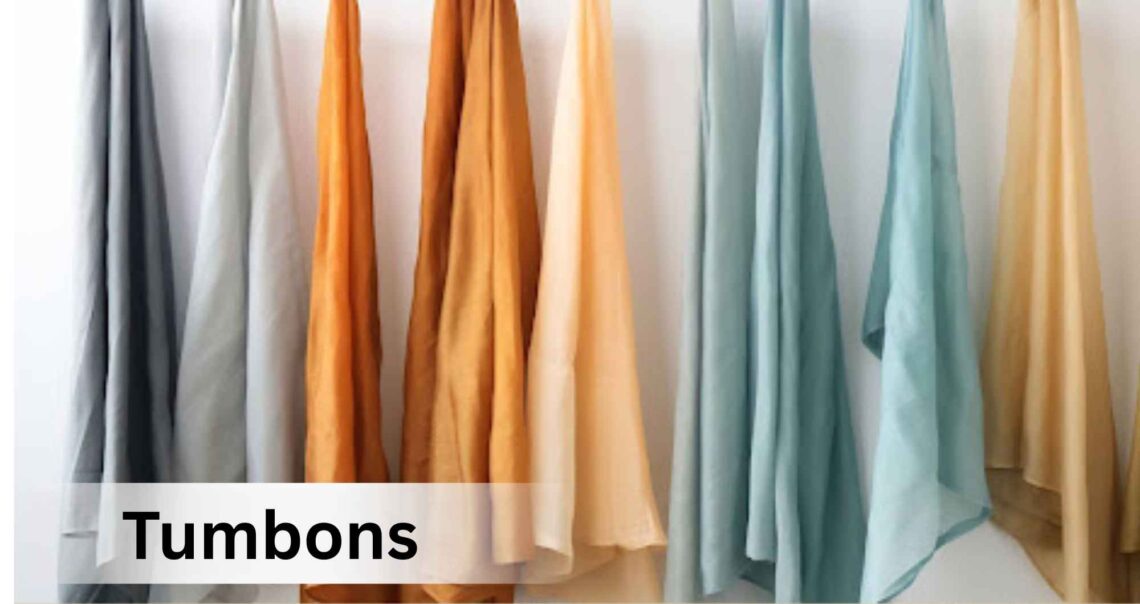
Tumbons are traditional garments that have become synonymous with cultural identity and heritage in various parts of the world.
They often function as a wrap or cover, typically worn around the waist and extending down to the knees or ankles.
The design of tumbons varies widely depending on their geographical origin. In many cultures, they are characterized by vibrant colors and intricate patterns that reflect local customs and beliefs.
These designs can convey stories, traditions, or even social status within a community.
Made from diverse materials such as cotton, silk, or wool, tumbona provide comfort while also being highly decorative. The fabric choice often depends on regional availability and climate considerations. This versatility allows them to be worn across different seasons.
In several cultures, tumbons play a significant role in daily life as well as during special occasions. They are not merely functional; they embody artistic expression through unique stitching techniques and embroidery styles passed down through generations.
Additionally, tumbons serve practical purposes beyond mere decoration. Their loose-fitting nature provides ease of movement for daily tasks while allowing ventilation in warmer climates—a crucial aspect for those living in tropical regions.
Today’s fashion scene has seen an increase in interest towards traditional attire like tumbons. Contemporary designers frequently incorporate elements inspired by these garments into modern clothing lines—merging ancient artistry with today’s trends.
As global awareness grows regarding sustainable fashion practices, more people appreciate how tumbo ns embody craftsmanship rooted in rich histories rather than mass production culture often associated with typical fast fashion items.
The Cultural Significance of Tumbons
Tumbons hold a deep cultural significance in various communities around the globe. These traditional garments are more than just pieces of clothing; they embody history, identity, and social status.
In many cultures, tumbons serve as important markers of heritage. They often reflect regional styles and customs that have been passed down through generations. Families may have their own distinct designs or patterns that symbolize lineage and belonging.
The colors used in tumbon fabrics can carry specific meanings as well. Bright colors might denote celebration or joy, while darker hues could represent solemnity or mourning. Each design element is intentional and speaks to the wearer’s story.
Tumbons also play a role in rites of passage within certain cultures. For example, young people may receive their first tumbon during significant life events such as weddings or coming-of-age ceremonies. This act signifies acceptance into adulthood and community recognition.
Moreover, these garments often highlight craftsmanship traditions unique to different regions.
Artisans take pride in creating tumbonas jardin using time-honored techniques that showcase local skills and artistry. This dedication ensures that cultural stories remain alive within the fabric itself.
Festivals frequently feature tumbons prominently too, serving not only as attire but also as symbols of unity among participants. Wearing traditional tumpons at celebrations fosters communal bonds while honoring ancestral practices.
As societies evolve, so does the meaning attached to tumbons—making them both timeless yet adaptable artifacts of culture that continue to resonate with new generations seeking connection with their roots.
Traditional Styles of Tumbons Around the World
Tumbons have diverse styles that reflect the rich cultural heritage of different regions. Each style carries its unique characteristics and significance, showcasing craftsmanship passed down through generations.
In South Asia, especially in India and Nepal, las tumbonas often feature intricate designs. These pieces may boast elaborate carvings or vibrant colors.
They are typically made from wood or metal and serve both decorative and functional purposes during religious ceremonies.
Moving to Africa, traditional tumbons take on a more utilitarian role. Here, they can be crafted from natural materials such as woven grass or reeds.
The simplicity of these designs does not diminish their importance; they symbolize community gatherings and shared experiences among tribes.
Latin America adds yet another layer to the diversity of tumbon styles. In countries like Mexico, artisans create colorful pottery tumblers adorned with traditional motifs depicting local flora and fauna.
These artistic expressions highlight the connection between everyday life and nature in indigenous cultures.
In East Asia, particularly Japan, tumbons have a minimalist aesthetic. Often created from bamboo or ceramic materials, these items emphasize functionality while maintaining elegance. The Japanese approach reflects Zen principles where simplicity is celebrated without sacrificing beauty.
The Middle East showcases tumbona para bebes styles infused with calligraphy and geometric patterns. Made predominantly from ceramics or glass mosaic techniques, these creations often grace table settings during special occasions like weddings or feasts.
Each regional adaptation of the tumbon tells its own story within a broader narrative of cultural identity—celebrating tradition while embracing innovation across time.
How Tumbonas Are Made: Materials and Techniques
Tumbons are crafted using a variety of materials, each chosen for its unique properties. Traditionally, wood is the primary material due to its availability and workability.
Different types of wood lend distinct characteristics to the tumbons, affecting their sound quality and durability. Hardwoods like oak or mahogany provide a rich tone, while softer woods may offer lighter sounds.
In addition to wood, artisans often incorporate metals such as brass or bronze into their designs. These metals enhance the aesthetic appeal and can alter the resonance of the tumbon when struck.
Some modern variations even include synthetic materials that mimic traditional options but allow for greater versatility in design.
The process begins with selecting high-quality raw materials. Craftsmen usually source local resources; this not only supports community economies but also helps maintain cultural practices tied to these items. Once selected, artisans cut and shape the materials using specialized tools.
Next comes intricate carving and embellishment. Skilled hands engrave patterns that reflect cultural heritage or personal stories onto the surface of each tumbon.
This artistic expression adds character while ensuring no two pieces are exactly alike.
Assembly follows carving; components must fit perfectly together to create an instrument capable of producing harmonious sounds.
Artisans pay close attention during this step, as any misalignment could affect performance significantly.
After assembly, finishing touches come into play—sanding down rough edges for comfort in handling—and applying protective coatings ensures longevity without compromising sound quality.
Testing occurs before a tumbon is ready for sale or use at celebrations and ceremonies. Each piece undergoes careful evaluation to ensure it meets both aesthetic standards and functional requirements.
Modern Adaptations and Uses of Tumbons
Tumbons have evolved significantly in recent years, reflecting contemporary trends and lifestyles. While they maintain their cultural roots, modern adaptations are making them accessible to a wider audience.
This transformation is evident in the materials used and the design aesthetics that cater to current fashion preferences.
In urban settings, designers incorporate tumbons into everyday wear. They blend traditional craftsmanship with modern textiles like cotton blends and synthetic fabrics for durability.
These adaptations make tumbons more versatile and comfortable for daily use while still honoring their heritage.
Artists are also exploring tumbon designs through creative expression. Many now feature intricate patterns or vibrant colors that resonate with younger generations seeking unique fashion statements.
The artistic interpretation of tumbons has led to collaborations between traditional artisans and contemporary designers.
Moreover, the global popularity of casual wear has positioned rusty tumbone as essential items in many wardrobes worldwide.
They are not just limited to ceremonial occasions anymore; people sport them at festivals, beach outings, or even casual gatherings among friends.
Social media plays an influential role in this trend too. Platforms like Instagram showcase diverse ways of styling these garments, inspiring individuals around the world to embrace them within their own wardrobes creatively.
Sustainability is another significant factor driving modern adaptations of tumbons. Many brands emphasize eco-friendly practices by sourcing organic materials and utilizing ethical production methods—an attractive selling point for environmentally conscious consumers today.
Customizable options have emerged as a popular trend within this domain. From choosing fabric colors to personalizing embroidery patterns.
Individuals can now express themselves uniquely while staying connected to tradition through their chosen style of tumbo.
The Role of Tumbons in Festivals and Ceremonies
Tumbons play a vital role in festivals and ceremonies, serving as key elements of cultural expression. These unique musical instruments are often associated with traditional celebrations across various cultures. Their vibrant sounds create an atmosphere of joy and community.
During religious festivities, tumbons are frequently used to accompany rituals. In many cultures, they resonate deeply with spiritual significance.
The rhythms produced by these instruments enhance the sacredness of ceremonies, inviting participants to engage more fully in their traditions.
In addition to religious events, tumbons feature prominently in seasonal celebrations. For instance, harvest festivals often showcase local music that includes tumbon performances.
This not only honors the agricultural cycle but also reinforces communal bonds among attendees.
Different regions have distinct styles of playing tumbon music during celebrations. Some places favor rapid beats that energize dancers, while others opt for slower tempos conducive to reflection and prayer. This variety highlights the adaptability of tumbons within diverse contexts.
Moreover, the visual aspect cannot be overlooked; decorated tumbons become significant symbols at festivals.
The craftsmanship involved turns them into art pieces that reflect cultural identity and pride—often displayed prominently during gatherings.
Children learn about their heritage through participation in these events where tumbons take center stage. They absorb history and tradition while engaging with this instrument’s rich soundscapes from a young age.
Tumbons act as bridges connecting generations through shared experiences at festivals and ceremonies worldwide.
As communities come together around these instruments, they celebrate not just their uniqueness but also their collective identities.
Preserving the Heritage of Tumbons Today
Preserving the heritage of tumbons today is essential for maintaining cultural diversity and tradition. As globalization continues to blur regional distinctions, efforts are being made to keep the craftsmanship and significance of tumbons alive.
Various communities around the world recognize that these unique instruments hold more than just aesthetic value; they embody stories, history, and identity.
Education plays a pivotal role in preserving this craft. Workshops and classes are increasingly offered by artisans who wish to pass on their skills to younger generations.
These programs not only teach traditional techniques but also emphasize the importance of understanding cultural roots associated with tumbons.
Additionally, local festivals serve as platforms for showcasing tumbon artistry. Through performances that incorporate these instruments, new audiences can appreciate their beauty while learning about their origins.
Many regions have established cultural initiatives aimed at promoting awareness surrounding tumbon traditions.
Digital technology offers another avenue for preservation efforts. Social media platforms allow craftsmen to reach wider audiences, sharing tutorials or live demonstrations of how tumbons are created and played.
This visibility helps foster interest among people who may never have encountered them otherwise.
Moreover, collaborations between artists from different backgrounds enriches the landscape further by blending styles and innovations into new forms while still honoring traditional practices.
By actively engaging in education, community events, technological outreach, and cross-cultural exchange, we pave a path forward that respects this rich heritage while adapting it for future generations to cherish—ensuring that tumbons remain an integral part of global culture.