Sodziu, a term steeped in cultural richness and historical significance, captures the essence of rural life in Lithuania. But what does it truly mean? As you delve deeper into its etymology and relevance, you’ll uncover layers of meaning that extend beyond mere vocabulary. This blog post will guide you through the fascinating world of sodzius—exploring its origins, cultural importance, and modern usage. Whether you’re a linguist or simply curious about this intriguing word, get ready to embark on an enlightening journey that reveals why sodziu has become increasingly popular in today’s conversations. Discover how this concept interweaves with history and community life while also addressing common misconceptions along the way!
What Does Sodziu (Sodžius) Mean
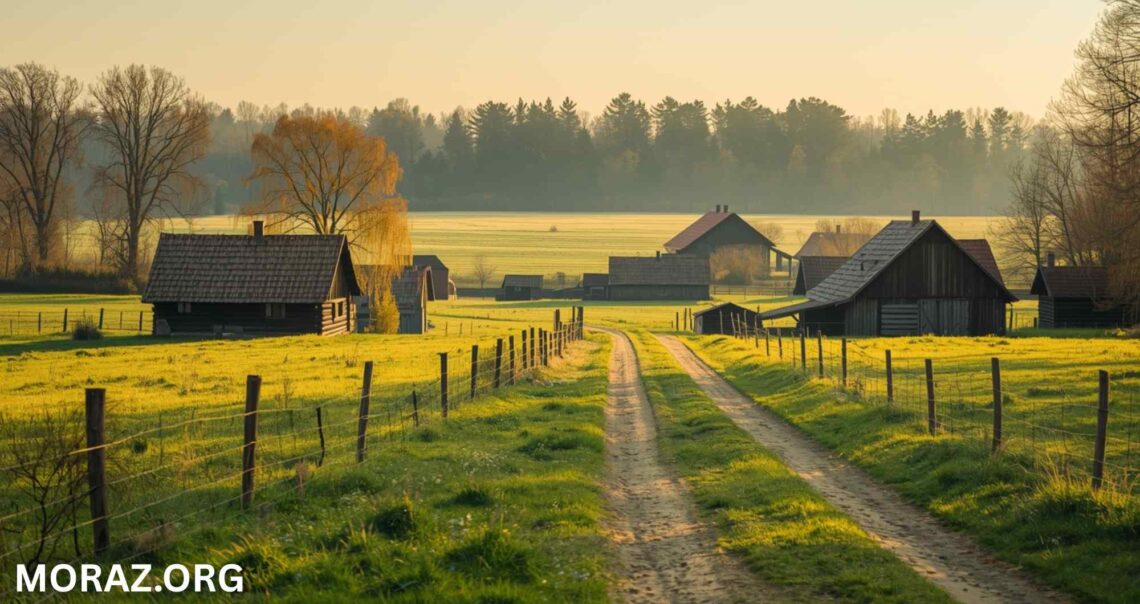
Sodziu, or sodžius in Lithuanian, refers to a small rural community or settlement. It embodies not just geography but also shared experiences and traditions among its inhabitants. Unlike a city or town, this term signifies an intimate connection with nature and localized living.
Traditionally, sodzius represents more than just homes; it symbolizes communal life where families engage in agriculture and crafts. Each sodzius has its unique character shaped by cultural practices that have been passed down through generations.
The concept of sodziu goes beyond physical boundaries. It encompasses the social fabric binding individuals together—whether through festivals, local gatherings, or cooperative farming efforts. This sense of unity fosters strong relationships among residents.
In contemporary usage, the word carries emotional weight for those connected to their roots. For many Lithuanians living abroad, referring to their sodzius evokes nostalgia and a longing for simpler times spent amidst family and friends.
Understanding what sodziu means provides insight into the essence of Lithuanian culture itself—a blend of history, tradition, and community spirit that remains relevant today.
Origin and Etymology of Sodžius
The term “Sodžius” has deep roots in Lithuanian culture and language. Its origin can be traced back to the Old Lithuanian word, which refers to a rural homestead or a small community of houses. This reflects the traditional lifestyle that revolved around farming and close-knit interactions among villagers.
Etymologically, “Sodžius” is connected to agricultural practices. The word itself suggests an area where crops are cultivated and livestock is raised. It embodies not just a physical space but also the essence of rural life—where land and labor intertwine harmoniously.
Historically, Sodžius held significance as more than just a place; it was often viewed as a social unit within Lithuania’s agrarian society. Families would gather in these spaces for communal activities like harvesting or festivals, strengthening bonds between neighbors.
In contemporary usage, scholars have noted variations in spelling such as “sodziu,” highlighting its adaptability through time while maintaining its core meaning.
This evolution shows how language evolves with culture yet remains tethered to its origins, reflecting the lifestyles and values of those who inhabit these sodžiaus today.
Historical Role of Sodžius in Rural Life
Sodžius played a pivotal role in the rural landscape of Lithuania, serving as more than just a physical space. These small localities were often home to tight-knit communities, where mutual assistance was paramount for survival and prosperity. Neighbors depended on one another to cultivate land and share resources.
Traditionally, Sodžius represented a blend of agriculture and family life. Families would gather not only to work the fields but also to celebrate seasonal festivals. Harvest time brought everyone together for communal feasts and rituals that honored nature’s cycles.
The architecture in Sodžius reflected this community spirit. Homes were typically built close together, fostering connections among families while establishing a sense of belonging. This layout encouraged social interaction and collaboration among residents.
As the industrial revolution began reshaping society in the 19th century, many Sodžius adapted by embracing new agricultural techniques. Innovations allowed them to increase productivity while maintaining their cultural heritage through farming practices passed down through generations.
Today, although modernity has changed much about rural life, remnants of traditional values remain alive within these communities. The historical significance of Sodžius continues to echo in Lithuania’s cultural identity.
Sodžius vs Kaimas vs Sodyba
Sodžius, kaimas, and sodyba are terms often used in Lithuanian culture, each carrying distinct meanings. While they may seem interchangeable to outsiders, locals understand their unique nuances.
A sodžius refers specifically to a type of settlement traditionally found in rural areas. It embodies a close-knit community where families share not only land but also social ties and traditions. The essence of sodžius lies in its agricultural roots.
Kaimas translates directly to “village.” This term is broader than sodžius and can refer to any small population center within the countryside. Kaimai (the plural form) may include various types of residences and communal facilities that serve the local population’s needs.
Sodyba denotes a homestead or cottage, typically associated with leisure or vacationing purposes rather than permanent residence. A sodyba often features gardens or farms for personal use, making it an escape from urban living while maintaining connection to nature.
Understanding these distinctions helps clarify how these terms reflect Lithuania’s rich cultural tapestry. Each concept plays an integral role in shaping the country’s rural identity and lifestyle.
Cultural Importance of Sodžius
Sodžius holds a significant place in Lithuanian culture, representing more than just a physical space. It embodies community and connection among its residents, forming the backbone of rural life. Historically, sodžius was where families gathered to exchange stories and traditions, solidifying bonds that lasted generations.
The concept is deeply rooted in shared agricultural practices and communal support. Neighbors would come together during harvest season or for local festivities, fostering a spirit of cooperation that is still celebrated today. The interactions within this setting allowed cultural values to thrive.
Artistic expressions often reflect the essence of sodžius as well. Folk music and dance rooted in these communities capture their unique experiences and histories. Traditional crafts also flourish here, showcasing the skills passed down through family lines.
Moreover, sodžius serves as a reminder of Lithuania’s rural heritage amid modernization pressures. As urbanization increases, it becomes essential to preserve this concept for future generations. Communities work hard to maintain their unique identities while adapting to contemporary life.
Through festivals celebrating local customs or gatherings focused on sustainability initiatives, the cultural importance of sodžius remains vibrant and relevant today.
Is Sodziu a Real Place
Sodziu is often thought to refer to a specific location, but it actually embodies a broader concept deeply rooted in Lithuanian culture. While there may not be an official place named Sodziu, the term evokes images of traditional rural life. It represents the essence of community and agriculture rather than a singular geographic spot.
In Lithuania, sodzius refers to small villages or homesteads that play significant roles in local history and customs. These areas were once vibrant centers for farming families and communal living. They symbolize connection—a blend of nature and human endeavor.
Today, when people mention Sodziu, they might be referencing any number of these quaint villages scattered throughout Lithuania’s picturesque landscapes. Each sodzius carries its own unique charm yet shares common cultural threads with others across the nation.
This idea has gained traction as many seek to reconnect with their roots or explore their heritage through travel. Ordinary villagers are now recognized as custodians of tradition, making each visit feel like stepping back into time.
While you may not find “Sodziu” marked on a map, its spirit lives on in countless communities across Lithuania, preserving stories that have shaped generations.
Modern Usage of the Word Sodziu
The term “sodziu” has seen a resurgence in modern conversations, especially among younger generations in Lithuania. This renewed interest reflects a longing for roots and cultural heritage that many feel is slipping away. The concept of sodzius embodies community, belonging, and rural traditions that are often romanticized.
Social media platforms play a significant role in the word’s popularity. Users share images and stories from their own experiences tied to sodzius living, showcasing its picturesque landscapes and communal lifestyle. Hashtags related to sodzius have emerged, connecting people who wish to celebrate or rediscover their heritage.
In literature and art, the term appears frequently as well. Writers evoke memories of childhood spent in these idyllic settings or reflect on the deep sense of place associated with them. It’s not just about nostalgia; it serves as an invitation to explore one’s identity.
Local businesses also capitalize on this trend by promoting products inspired by traditional crafts found within a sodzius setting. From organic food markets to handmade goods, there’s an emphasis on authenticity rooted in local culture.
Moreover, educational programs encourage exploration of rural life under the umbrella of sodziu culture. Workshops focusing on traditional farming practices draw participants eager to learn about sustainable living methods linked closely with this unique concept.
Sodziu in Online Articles and Media
The term “sodziu” has gained traction across various online platforms, including blogs and social media. This increase in visibility reflects a growing interest in the cultural nuances of Lithuania. Writers explore its rich historical context and significance, making it more relatable to contemporary audiences.
Online articles often delve into the etymology of sodžius, linking it to rural life and community values. Such discussions foster a deeper understanding of how this concept shapes Lithuanian identity today. Many authors highlight personal stories or anecdotes that illustrate the meaning behind sodziu.
Media outlets have also picked up on this trend, featuring interviews with historians and cultural experts who elaborate on its importance. Documentaries and podcasts further enhance public discourse about sodzius by showcasing real-life experiences tied to these communities.
Social media hashtags related to sodziu often emerge as users share their connections to rural lifestyles or heritage sites associated with sodžius. This virtual sharing fuels curiosity among younger generations eager to connect with their roots.
As search engine optimization evolves, “sodziu” appears increasingly in travel articles highlighting traditional villages, attracting tourists interested in authentic experiences linked to Lithuanian culture.
Why the Term Sodziu Is Trending
The term “Sodziu” has recently gained traction across various platforms, captivating both locals and those interested in Lithuanian culture. A resurgence of interest in rural lifestyles and traditional practices plays a significant role. People are seeking authenticity in an increasingly digital world, turning to concepts like sodzius that embody community ties.
Social media is another driving force behind this trend. Influencers exploring cultural roots have spotlighted the idea of sodzius, sharing stories and experiences linked to it. This exposure invites curiosity among followers who may not be familiar with its meaning or significance.
Moreover, the global rise of eco-tourism encourages individuals to explore less commercialized areas where traditional ways of living thrive. The charm associated with sodzius appeals to travelers looking for genuine experiences away from urban hustle.
Educational articles discussing Lithuanian culture further fuel interest. As people search for deeper meanings, they stumble upon discussions around sodziu’s historical relevance and contemporary interpretations.
Online communities dedicated to folklore and heritage have expanded conversations about sodzius beyond borders. These discussions create a newfound appreciation for cultural identity while promoting cross-cultural connections that resonate widely today.
Common Confusions About Sodziu
Many people encounter confusion surrounding the term sodziu due to its multiple interpretations. A common misunderstanding arises from mixing it up with similar-sounding words such as sodyba and kaimas, which have distinct meanings in Lithuanian culture. While all three terms relate to rural life, their specific connotations can differ significantly.
Sodziu is often misinterpreted as simply referring to a village or settlement. However, its deeper cultural significance embodies a communal aspect that goes beyond mere geography. It reflects social ties and shared heritage among residents.
Another point of confusion is whether sodziu refers to an actual location. Many assume it’s a physical place when, in fact, it serves more as a concept representing community and tradition within rural areas of Lithuania.
Additionally, the use of sodziu might be mistaken for outdated terminology by younger generations who prefer modern expressions related to community life. This disconnect may result in less frequent usage in everyday conversation despite its rich historical context.
Some individuals may not fully recognize the emotional weight behind sodziu. It’s not just about land; it’s intertwined with memories, bonding experiences, and cultural practices passed down through generations.
Conclusion: Understanding the True Meaning of Sodziu
Understanding the term sodziu reveals much about its cultural and historical significance in Lithuania. At its core, sodziu represents a traditional settlement structure that played an essential role in rural life. It embodies not just a physical location but also a way of living that emphasizes community, self-sufficiency, and connection to the land.
The word itself has deep roots in Lithuanian language and culture, stemming from etymological ties that resonate with concepts of homesteading and agricultural practices. The differentiation between sodzius, kaimas (village), and sodyba (homestead) highlights various aspects of rural life while showcasing how intertwined these terms are within local customs.
Today, sodziu is seeing a revival as people seek meaningful connections to their heritage amidst modernity’s fast pace. Its presence in online articles reflects growing interest among both locals and those curious about Lithuanian traditions.
As misunderstandings often arise around this term—such as confusing it with other geographic or cultural markers—clarifying what sodziu stands for can enhance appreciation for its unique role in shaping identities within Lithuania’s landscape. Whether you’re exploring your roots or simply gaining insight into another culture, understanding the true meaning of sodziu adds depth to your knowledge of Lithuanian life today.