
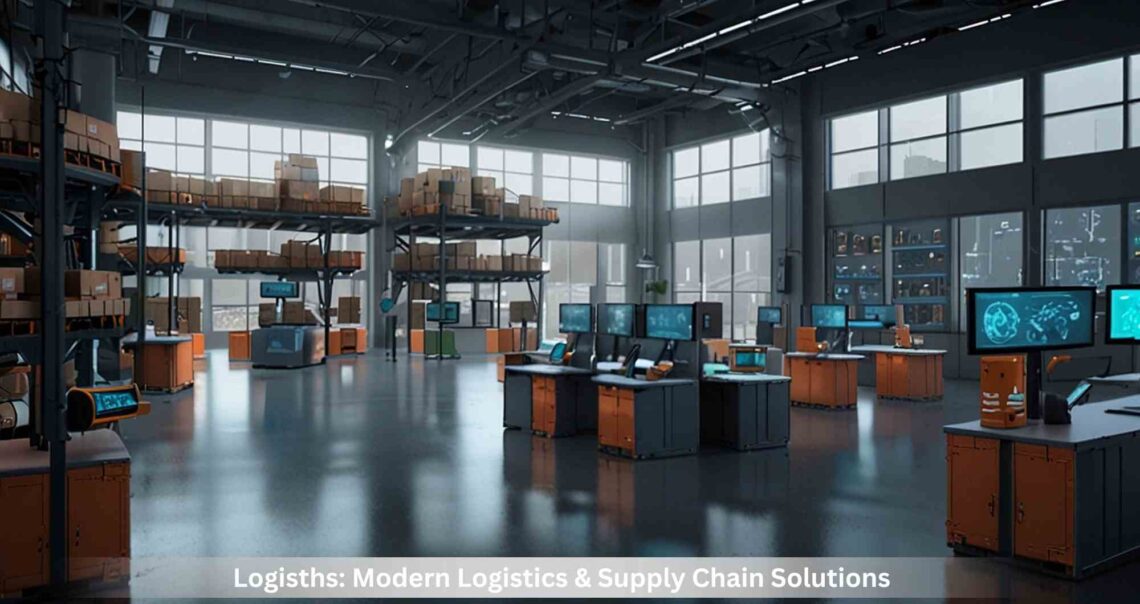
In today’s fast-paced business landscape, logistics and supply chain management have never been more critical. As companies strive to meet customer demands while optimizing costs, innovative solutions are a must. Enter Logisths—a forward-thinking approach that redefines how businesses manage their logistics needs. With its blend of advanced technology and strategic insight, Logisths is reshaping the industry for better efficiency.
But what exactly sets Logisths apart from traditional logistics? This blog will explore the core features that make it an essential tool for modern supply chains. From improving operational efficiency to integrating artificial intelligence, we’ll delve into how Logisths can transform your business processes.
Join us as we uncover real-world applications, common challenges faced by businesses adopting this model, and future trends shaping the world of smart logistics. Whether you’re a seasoned professional or new to the field, understanding Logisths could be your key to unlocking unparalleled growth and innovation in your operations. Let’s dive in!
What Is Logisths? Understanding Modern Logistics Solutions
Logisths represents a transformative shift in logistics and supply chain management. It’s not just about moving goods from point A to B; it encompasses an integrated approach that leverages technology for smarter decision-making.
At its core, Logisths combines data analytics, artificial intelligence, and automation to streamline operations. This modern framework enables businesses to gain real-time insights into their supply chains, enhancing visibility and control.
Businesses adopting Logisths can expect improved collaboration among stakeholders. By connecting suppliers, manufacturers, and distributors through a unified platform, communication becomes seamless. This synergy leads to quicker responses to market changes or disruptions.
Additionally, Logisths emphasizes sustainability within logistics processes. Companies are encouraged to adopt eco-friendly practices while optimizing routes and reducing waste—an essential consideration in today’s environmentally-conscious marketplace.
The flexibility of Logisths is another standout feature. Organizations can tailor solutions based on specific needs or industry requirements. This adaptability makes it suitable for various sectors—from retail to manufacturing—ensuring that companies remain competitive in an evolving landscape.
Key Features of Logisths in Supply Chain Management
Logisths offers a variety of key features that redefine supply chain management. One standout feature is real-time tracking. This allows businesses to monitor their shipments and inventory with pinpoint accuracy. Companies can access updates on the status of goods, ensuring they are informed every step of the way.
Another significant aspect is data analytics integration. Logisths collects and analyzes vast amounts of data, providing insights into demand trends and operational bottlenecks. With this information at hand, stakeholders can make informed decisions that enhance performance.
Automation tools also play a crucial role in Logisths’ offering. By automating repetitive tasks such as order processing and inventory management, businesses can reduce manual errors and save time. This not only streamlines operations but also frees up staff for more strategic activities.
Collaboration features are essential for fostering communication among partners within the supply chain ecosystem. Logisths facilitates seamless interactions between suppliers, distributors, and retailers through shared platforms that encourage transparency.
Scalability stands out as a vital characteristic of Logisths solutions. As businesses grow or pivot in response to market changes, their logistics needs evolve too. The flexible nature of Logisths accommodates these shifts without necessitating extensive reconfiguration or new software investments.
How Logisths Improves Operational Efficiency
Logisths enhances operational efficiency by streamlining processes across the supply chain. Its user-friendly interface allows teams to track inventory in real-time, minimizing stock discrepancies and ensuring better resource allocation. This transparency leads to informed decision-making.
Automation is a key component of Logisths. By automating routine tasks such as order processing and shipment tracking, businesses can reduce human error significantly. This not only saves time but also frees up employees to focus on more strategic initiatives.
Integration with existing systems is effortless with Logisths. It connects seamlessly with various platforms like ERP and CRM software. This connectivity ensures that information flows smoothly between departments, enhancing collaboration and reducing delays in communication.
Data analytics further boosts operational efficiency within Logisths. Businesses gain insights into performance metrics, allowing them to identify bottlenecks quickly. With actionable data at their fingertips, organizations can make proactive adjustments for improved workflows.
Scalability is another advantage of adopting Logisths. As companies grow or face shifts in demand, this logistics solution adapts accordingly without compromising service levels or increasing overhead costs. The flexibility inherent in Logisths supports dynamic business environments effectively.
AI and Technology Integration in Logisths
The integration of AI and technology into Logisths has transformed the logistics landscape. Modern supply chains rely on data-driven insights to enhance decision-making processes. AI algorithms analyze vast amounts of data, predicting demand patterns and optimizing inventory levels.
Automation plays a crucial role in streamlining operations within Logisths. Automated systems manage everything from warehousing to transportation, significantly reducing human error. This leads to faster order processing and improved customer satisfaction.
Technologies such as IoT (Internet of Things) are also pivotal in Logisths. Sensors collect real-time data on shipment conditions, ensuring products maintain their required quality throughout transit. This transparency bolsters trust between suppliers and customers.
Machine learning is another key component that enhances predictive analytics in Logisths. By learning from historical trends, machine learning models can forecast potential disruptions or delays along the supply chain, allowing businesses to adapt proactively.
Furthermore, blockchain technology adds an extra layer of security for transactions within Logisths. It creates immutable records that increase accountability among parties involved in the supply chain process. With these technologies combined, companies can achieve unprecedented efficiency and reliability in their logistics operations.
Benefits of Implementing Logisths for Businesses
Implementing Logisths offers numerous advantages for businesses aiming to enhance their logistics and supply chain processes. One significant benefit is improved visibility across the entire supply chain. With real-time tracking, companies can monitor inventory levels, shipment status, and delivery times more efficiently.
Another key advantage is cost reduction. By optimizing routes and managing resources effectively, Logisths helps minimize transportation expenses. This leads to substantial savings that can be redirected into other vital areas of the business.
Enhanced customer satisfaction is another critical benefit. Timely deliveries and accurate order fulfillment foster trust and loyalty among customers. When clients receive their products promptly, they are more likely to return for future purchases.
Logisths also supports data-driven decision-making. The analytics capabilities provided by this technology allow businesses to evaluate performance metrics comprehensively. These insights empower companies to identify inefficiencies and areas for improvement within their operations.
Scalability becomes more manageable with Logisths in place. As a business grows or faces fluctuating demands, adapting logistics strategies becomes easier with flexible solutions tailored by Logisths technology.
Case Studies: Real-World Applications of Logisths
Logisths has transformed various industries by providing innovative logistics solutions. One notable case is a global e-commerce giant that integrated Logisths into its supply chain management. This implementation led to a 30% reduction in delivery times, significantly enhancing customer satisfaction and retention.
Another example involves a food distribution company facing challenges with perishables. By utilizing Logisths, they optimized their inventory levels and improved routing efficiency. As a result, spoilage rates decreased by 25%, allowing the business to save costs while ensuring fresher products for customers.
A prominent automotive manufacturer adopted Logisths to streamline parts delivery across multiple sites. The integration of real-time tracking features allowed for better coordination among suppliers and reduced downtime on assembly lines by nearly 15%. Such operational improvements have had lasting impacts on production schedules.
In the pharmaceutical industry, one firm leveraged Logisths’ advanced analytics capabilities to predict demand trends accurately. This foresight enabled them to allocate resources more effectively during peak periods without overstocking or stockouts occurring.
An apparel retailer implemented Logisths’ AI-driven forecasting tools which helped refine seasonal inventory strategies. They experienced increased sales conversions due to better product availability at key moments throughout the year, showcasing how tailored solutions can drive revenue growth.
Common Challenges and How to Overcome Them
Implementing logisths can present various challenges for businesses. Understanding these hurdles is the first step toward effective solutions. One common issue is resistance to change among employees. Many workers are accustomed to traditional methods and may be hesitant to adapt to new technologies.
Training plays a crucial role in easing this transition. Investing time in comprehensive training programs can help staff understand the benefits of logisths, making them more willing to embrace changes. Highlighting how these tools enhance their daily tasks provides motivation.
Another challenge involves data integration from multiple sources. Businesses often struggle with consolidating information from different systems into a cohesive platform used by logisths. To overcome this, companies should prioritize selecting compatible software that facilitates seamless integration and ensures accuracy.
Cybersecurity threats also pose significant risks when adopting advanced logistics solutions like logisths. Implementing robust security measures is essential to protect sensitive data from breaches or hacks, which could compromise operations.
Maintaining clear communication throughout the organization helps mitigate misunderstandings regarding the implementation process. Regular updates on progress and addressing concerns foster a collaborative environment where everyone feels involved in transitioning toward modern logistics solutions.
Logisths vs Traditional Logistics: A Comparison
Logisths and traditional logistics represent two distinct approaches to managing supply chains. Traditional logistics often relies on manual processes, which can lead to inefficiencies. These methods typically involve a lot of paperwork, making it cumbersome to track shipments and inventory levels.
On the other hand, Logisths leverages advanced technology for real-time tracking and automation. This shift allows businesses to streamline operations significantly. Companies using Logisths benefit from immediate visibility into their supply chain, helping them respond swiftly to changes in demand or disruptions.
Another key difference lies in data analysis capabilities. Traditional logistics may provide limited insights due to outdated systems. In contrast, Logisths utilizes AI-driven analytics that offer actionable insights into performance metrics and trends.
Flexibility is another area where Logisths excels compared to traditional models. Businesses face constant change; therefore, having an adaptable system is crucial for success today. With its modular design, Logisths easily scales with your growing needs.
Customer service experiences differ as well. Traditional logistics may struggle with communication delays caused by fragmented information sources. Meanwhile, Logisths fosters transparency through integrated platforms that keep all stakeholders informed throughout the shipping process.
Steps to Integrate Logisths into Your Business
Integrating Logisths into your business starts with a thorough assessment of your current logistics and supply chain processes. Identify areas that need improvement, such as delays, costs, or customer satisfaction levels. Understanding these pain points will help you tailor the integration to address specific needs.
Next, set clear objectives for what you want to achieve by adopting Logisths solutions. These goals could include enhancing operational efficiency, reducing costs, or improving delivery times. Having well-defined targets will guide the implementation process and make it easier to measure success later on.
Choose the right technology platform that aligns with your business’s requirements. Research various Logisths providers and evaluate their features and capabilities against your goals. Ensure that whatever solution you choose integrates seamlessly with existing systems for a smoother transition.
Training is crucial when integrating any new system. Invest time in educating your staff about how to use Logisths effectively. Providing hands-on training sessions can significantly reduce resistance to change and foster acceptance within teams.
Continuously monitor performance metrics after implementing Logisths solutions. Adjust strategies based on real-time data insights gathered through the platform’s analytics tools. This iterative approach ensures ongoing optimization of logistics operations over time.
Future Trends in Logisths and Smart Logistics
The landscape of logistics and supply chain management is evolving rapidly, driven by advancements in technology and changing consumer expectations. As we look ahead, several key trends are shaping the future of Logisths.
Automation will play a crucial role in streamlining operations. From automated warehouses to delivery drones, businesses are leveraging cutting-edge solutions to enhance efficiency and reduce human error. This shift not only saves time but also optimizes resource allocation.
Moreover, data analytics will continue to be at the forefront of decision-making processes within Logisths. Companies are increasingly using big data to forecast demand accurately, manage inventory more effectively, and improve customer service. Predictive analytics tools can provide insights that help companies adapt swiftly to market changes.
Sustainability is another trend gaining momentum in logistics strategies. With rising environmental concerns and regulations pushing for greener practices, businesses are exploring eco-friendly options such as electric vehicles or sustainable packaging materials.
Additionally, the integration of blockchain technology promises increased transparency across supply chains. By securely recording transactions on a distributed ledger system, stakeholders can trace products from origin to destination with ease.
Artificial intelligence (AI) will further revolutionize how organizations approach logistics challenges. AI-driven algorithms can optimize routes or predict maintenance needs for vehicles before issues arise—enhancing reliability across the board.
These emerging trends indicate that Logisths is not just about keeping up with demands; it’s about transforming how businesses operate within an interconnected world while embracing innovation for future growth.