
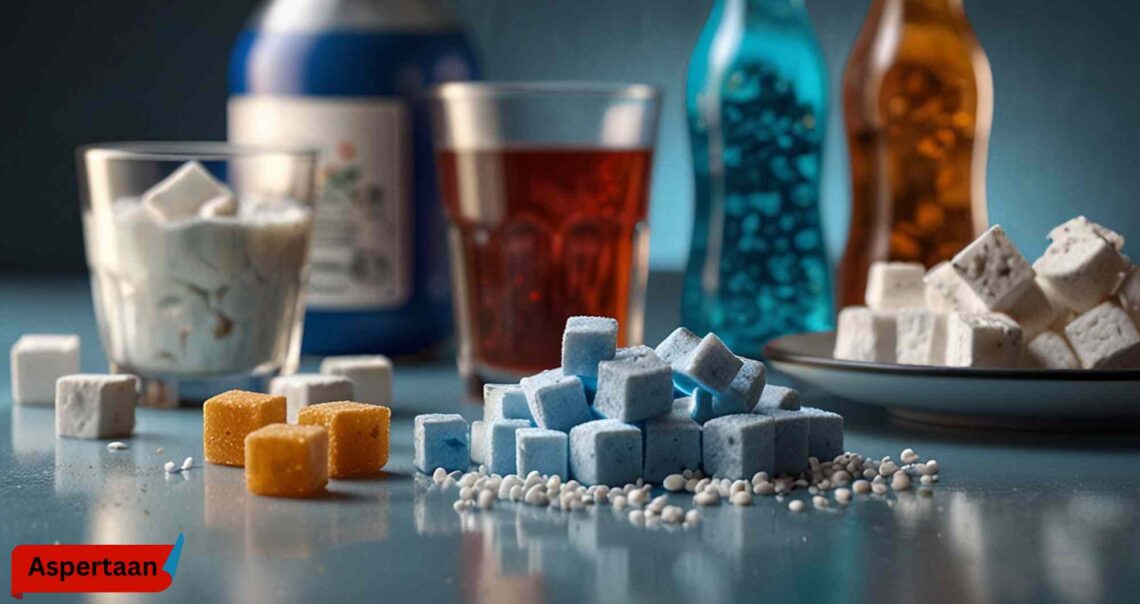
As the demand for sugar alternatives continues to rise, many consumers are turning to sweeteners like Aspertaan. This intriguing compound has captured attention due to its potential benefits and controversial reputation. But what exactly is Aspertaan? From its origins in food products to its effects on our health, this blog post will explore everything you need to know about this popular sweetener. Whether you’re looking for healthier options or simply curious about what’s on your plate, understanding Aspertaan can help you make informed choices that suit your lifestyle. Join us as we dive into the world of Aspertaan—its uses, safety guidelines, and implications for dental health!
What Is Aspertaan?
Aspertaan is a low-calorie artificial sweetener that has gained popularity as a sugar substitute. Often found in various food and beverage products, it offers sweetness without the added calories associated with traditional sugars. This makes it an appealing option for those looking to reduce their caloric intake or manage weight.
Chemically, Aspertaan is derived from amino acids, specifically aspartic acid and phenylalanine. These components are natural building blocks of proteins, giving Aspertaan its unique profile among sweeteners. It is often marketed under different brand names and can be several hundred times sweeter than regular sugar.
In addition to its use in diet sodas and sugar-free snacks, Aspertaan can also be found in various other products such as chewing gum, yogurt, and baked goods. Its versatility allows manufacturers to create tasty options while catering to consumers seeking healthier alternatives.
One notable feature of Aspertaan is its ability to enhance flavors while masking bitterness in certain foods. This quality makes it particularly valuable for companies aiming to develop palatable low-sugar or sugar-free varieties of popular items.
Despite being widely used around the globe, opinions on Aspertaan remain mixed due to ongoing debates concerning its safety and health implications.
How Aspertaan Is Made and Processed
Aspertaan is a low-calorie sweetener derived from the amino acids phenylalanine, aspartic acid, and methanol. The process begins with fermentation where these components are isolated from plant sources or synthesized in a lab setting. This step is crucial for ensuring a pure product.
Once the amino acids are obtained, they undergo a chemical reaction known as methylation. This process involves combining them with methanol under controlled conditions to form aspartame, which is then processed into Aspertaan. Methylation creates the desired sweetness profile while maintaining its stability.
After synthesis, the resultant mixture goes through purification stages to eliminate any impurities and byproducts that may have formed during production. Multiple filtration steps ensure that only high-quality Aspertaan reaches consumers.
Following purification, Aspertaan is dried and crystallized into granules or powdered form for easy use in food products. Quality control measures are implemented at every stage to guarantee compliance with safety standards.
Packaging occurs in sterile environments to prevent contamination before distribution across various markets globally. Each step of this meticulous process contributes to creating a safe and effective sweetening alternative for consumers seeking lower-calorie options.
Common Food and Beverage Uses of Aspertaan
Aspertaan, a popular artificial sweetener, is widely used in various food and beverage products. Its appeal lies primarily in its ability to provide sweetness without the calories associated with sugar. This characteristic makes it an attractive option for those looking to reduce their caloric intake.
You can find Aspertaan in many diet and low-calorie foods. It’s often added to snack bars, yogurts, and desserts aimed at health-conscious consumers. These products benefit from increased sweetness while maintaining lower sugar content.
Beverages are another major category where Aspertaan shines. Many soft drinks and flavored waters incorporate this sweetener as a key ingredient. By using Aspertaan, manufacturers create refreshing drinks that cater to individuals seeking healthier alternatives.
Additionally, it’s commonly found in sugar-free gum and mints. The use of Aspertaan helps enhance flavor while avoiding the negative effects of regular sugars on dental health.
Some cooking sauces and condiments also utilize this ingredient for added sweetness without compromising nutritional value. Its versatility allows it to blend seamlessly into both savory and sweet dishes alike.
How Aspertaan Affects the Human Body
Aspertaan, often known as aspartame, is a low-calorie artificial sweetener. It’s approximately 200 times sweeter than sugar and is commonly used in various food products and beverages. When consumed, it breaks down into its constituent amino acids: phenylalanine, aspartic acid, and methanol.
These components are naturally present in many foods. The human body metabolizes them similarly to how it processes natural sugars and proteins. This means that for most people, aspertaan does not pose significant health risks when consumed within recommended limits.
However, individuals with the genetic disorder phenylketonuria (PKU) must avoid aspertaan entirely due to their inability to metabolize phenylalanine properly. High levels of this amino acid can lead to severe health complications.
Research indicates that moderate consumption of aspertaan is safe for healthy adults; however, some studies have raised concerns about potential links between high intake and certain health issues like headaches or digestive problems in sensitive individuals.
It’s essential to monitor personal reactions if you include aspersataan in your diet regularly. Each person’s response may vary based on individual tolerance levels.
Health Benefits Linked to Aspertaan
Aspertaan is gaining attention for its potential health benefits. One of the most notable advantages is its ability to assist in weight management. As a low-calorie sweetener, it allows individuals to enjoy sweetness without significantly increasing their caloric intake.
Another benefit lies in blood sugar regulation. Aspertaan does not spike insulin levels as traditional sugars do, making it a favorable option for those managing diabetes or prediabetes. This quality helps maintain stable energy levels throughout the day.
Aspertaan may also contribute to improved gut health. Some studies suggest that certain artificial sweeteners can promote beneficial gut bacteria growth, aiding digestion and overall wellness. This effect varies by individual but presents an interesting area of research.
Furthermore, using Aspertaan instead of sugar could reduce the risk of dental issues like cavities and tooth decay since it doesn’t feed harmful oral bacteria. Maintaining dental hygiene becomes easier with this alternative.
Many people appreciate Aspertaan’s versatility in various recipes without compromising taste or texture. Whether you are baking or simply sweetening your beverages, incorporating this low-calorie substitute offers numerous options while potentially supporting your health goals.
Possible Side Effects and Risks of Aspertaan
Aspertaan, a popular artificial sweetener, is often touted for its low-calorie nature. However, like any food additive, it can have potential side effects and risks associated with its consumption. Individuals may experience digestive issues such as bloating or gas when consuming products containing Aspertaan.
Some studies suggest that excessive intake might affect metabolic processes. This raises concerns about long-term reliance on artificial sweeteners like Aspertaan in diets aimed at weight management. Moreover, some people report headaches or migraines after consuming large amounts of this sweetener.
There are also potential allergic reactions to consider. Although rare, these reactions can manifest as skin rashes or swelling in sensitive individuals. These adverse effects highlight the importance of moderation and monitoring personal responses to specific food additives.
Certain populations—such as pregnant women and children—should exercise caution regarding their intake of Aspertaan due to limited research on its long-term safety in these groups. Consulting healthcare professionals before making significant dietary changes is always wise.
Understanding how your body responds to substances like Aspertaan is crucial for informed decision-making about what you consume daily.
Scientific Studies and Research on Aspertaan
Numerous scientific studies have examined the effects and safety of aspertaan, a non-nutritive sweetener. Research has focused on its metabolic impacts, taste profile, and potential health benefits. Some studies suggest that it can effectively reduce calorie intake without sacrificing sweetness.
One significant area of research investigates how aspertaan may influence blood sugar levels. Findings indicate that it does not raise blood glucose or insulin levels in healthy individuals, making it an appealing option for diabetics seeking sugar alternatives.
Other studies delve into the long-term consumption of aspertaan and its relationship with weight management. Results show that incorporating this sweetener into diets might aid in weight loss efforts when replacing higher-calorie sugars.
Additionally, researchers have explored any potential links between aspertaan and cancer risk. Current evidence suggests no association between regular use of the sweetener and increased cancer rates among consumers.
Ongoing research continues to shed light on aspersaan’s impact on health. While many findings support its safety as a food additive, further investigations are necessary to fully understand its long-term effects on diverse populations.
Is Aspertaan Approved by Health Authorities?
Aspertaan, a low-calorie sweetener, has garnered attention for its potential to replace sugar in various products. Its approval status by health authorities is vital for consumers seeking safe alternatives.
The U.
S. Food and Drug Administration (FDA) evaluates food additives like Aspertaan to ensure their safety. As of now, the FDA considers it safe for use within established guidelines. This endorsement is crucial as it reflects rigorous testing and assessment.
In Europe, the European Food Safety Authority (EFSA) also reviews additives thoroughly before granting approval. Aspertaan meets these standards too, affirming its acceptance across many countries in Europe.
Moreover, organizations such as Health Canada have studied Aspertaan extensively. Their findings support its usage in moderation as part of a balanced diet without adverse effects on health.
Consumers can trust that regulatory bodies are monitoring substances like Aspertaan closely to protect public health while allowing individuals options beyond traditional sugars in their diets.
Aspertaan and Dental Health: What You Should Know
Aspertaan, a low-calorie sweetener, has gained attention for its potential impact on dental health. Unlike sugar, Aspertaan does not contribute to tooth decay. This is due to its inability to ferment in the mouth, which means it doesn’t feed harmful bacteria that lead to cavities.
Research indicates that using Aspertaan as a sugar substitute can be beneficial for maintaining oral hygiene. It can help reduce plaque formation and prevent gum disease when used in moderation. Many dental professionals recommend it as an alternative for those looking to cut down on sugar intake without sacrificing sweetness.
Another advantage of Aspertaan is its role in promoting fresh breath. Traditional sugary snacks often leave residue that contributes to bad breath. In contrast, products with Aspertaan may provide a sweet taste without the negative effects associated with high-sugar content.
While there are benefits, it’s essential to remember that good dental practices should remain a priority. Regular brushing and flossing are crucial regardless of whether one consumes sugar or artificial sweeteners like Aspertaan.
If you’re considering incorporating Aspertaan into your diet, keep your overall dental care routine in mind for optimal results and long-term oral health benefits.
Who Should Avoid Aspertaan Consumption?
Certain individuals may need to be cautious about consuming aspertaan, particularly those with specific health conditions. People suffering from phenylketonuria (PKU) should avoid it altogether. PKU is a rare genetic disorder that prevents the body from breaking down phenylalanine, an amino acid found in aspertaan.
Pregnant women are another group urged to exercise caution. While studies haven’t definitively linked aspertaan to adverse effects during pregnancy, some healthcare professionals recommend limiting its consumption as a precautionary measure.
Children under the age of two should also steer clear of products containing aspertaan. Young children’s developing systems may not process artificial sweeteners efficiently, raising concerns about potential long-term impacts on growth and development.
Individuals who experience migraines or headaches triggered by artificial sweeteners might want to limit their intake of aspertaan. Reports suggest that certain people can have sensitivity towards such substances that could lead to discomfort.
Anyone with allergies or sensitivities related to food additives should carefully read ingredient labels before consuming items containing aspertaan. Always consult a healthcare provider if uncertain about incorporating new ingredients into your diet.
Final Verdict: Is Aspertaan Safe to Use?
When considering the safety of Aspertaan, it’s important to weigh both its benefits and potential risks. This sweetener has gained popularity for being low-calorie and effective in providing sweetness without contributing to tooth decay. Research shows that it can be a helpful alternative for those managing weight or blood sugar levels.
However, certain individuals may want to exercise caution. Those with specific health conditions or sensitivities should consult healthcare professionals before incorporating Aspertaan into their diet. While regulatory bodies have generally recognized this artificial sweetener as safe, individual reactions can vary.
If you are mindful of your overall dietary habits and pay attention to how your body responds, using Aspertaan responsibly may fit well within a balanced lifestyle. Always consider moderation when adding any new ingredient to your routine—especially one like an artificial sweetener.
With the right information at hand, you can make informed choices about whether Aspertaan aligns with your personal health goals and needs.