
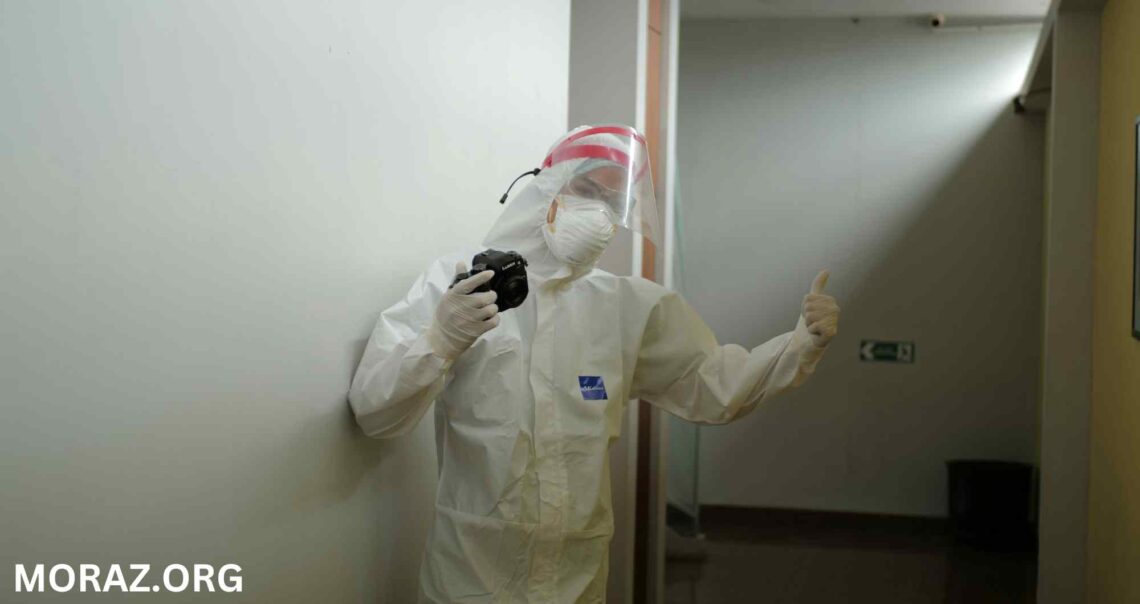
Asbestlint, often lurking in the shadows of our homes and workplaces, poses a serious threat that many people overlook. This hazardous material was widely used in construction for its insulation properties until it became clear just how dangerous it can be. Understanding what asbestlint is and where to find it is crucial for safeguarding your health and that of your loved ones.
Whether you’re renovating an old home or working in an industrial setting, knowing about asbestlint should be at the forefront of your mind. The risks associated with asbestos exposure are not something to take lightly—they can lead to severe health issues down the line. With this guide, we aim to unravel the complexities surrounding asbestlint: from detection methods to safe removal strategies, we’ll equip you with essential knowledge. Read on to explore how you can protect yourself while tackling this hidden menace effectively!
What Is Asbestlint? Understanding the Hidden Threat
Asbestlint, commonly known as asbestos tape, is a type of insulation material made from fibrous minerals. It was widely used in the past for various applications due to its fire-resistant properties and durability. Asbestos fibers are incredibly strong and can withstand extreme temperatures, making them appealing for industrial and residential use.
However, the very qualities that made asbestlint popular also contribute to its dangers. When disturbed or damaged, this material releases microscopic fibers into the air. Inhalation of these fibers can lead to severe health issues over time.
There are several types of asbestos minerals found in asbestlint: chrysotile (white asbestos), amosite (brown asbestos), and crocidolite (blue asbestos). Each has unique characteristics but shares a common risk profile when it comes to human health.
Due to strict regulations imposed on its use today, many people may believe they no longer need to worry about asbestlint. Unfortunately, older buildings may still contain this hazardous substance hidden away in walls or around pipes.
Understanding what asbestlint is helps raise awareness about where it might be found and why it’s crucial not to underestimate its potential impact on your health.
Common Sources of Asbestlint in Homes and Industries
Asbestlint can be found in various materials commonly used in homes and industries. One of the most notorious sources is insulation, particularly older types that contain asbestos fibers. This includes pipe insulation, attic insulation, and even wall cavities.
Another common source is flooring materials. Vinyl tiles and the backing of linoleum often contained asbestlint until the late 1970s. If your home or workplace has these materials installed before then, it’s crucial to approach them with caution.
Ceiling tiles are also significant culprits. Many textured ceilings applied in older buildings may have hidden asbestlint within their composition. These ceiling treatments were popular for aesthetic reasons but pose serious health risks when damaged.
Additionally, construction products like cement sheets and roofing shingles frequently contained asbestos up until regulations changed. Home renovation projects that disturb these items can release dangerous fibers into the air.
Automotive products such as brake pads and clutches historically utilized asbestlint due to its heat-resistant properties. While newer vehicles generally do not use this material anymore, vintage cars may still harbor asbestos-related hazards during repairs or restorations.
Why Asbestlint Is Dangerous to Health
Asbestlint poses significant health risks due to its fibrous nature. When disturbed, these tiny fibers can become airborne and easily inhaled. Once they enter the lungs, they can remain lodged for years, leading to serious health complications.
One of the most concerning diseases linked to asbestlint is mesothelioma, a rare but aggressive cancer that affects the lining of the lungs and abdomen. This type of cancer often develops decades after initial exposure, making early detection challenging.
Additionally, prolonged exposure may lead to asbestosis— a chronic lung disease characterized by scarring and inflammation. Symptoms include shortness of breath and persistent coughing, which worsen over time and severely impact quality of life.
There’s also an increased risk of lung cancer associated with asbestlint exposure. Those who smoke are particularly vulnerable when combined with asbestos contact. The effects can be devastating both physically and emotionally for affected individuals and their families.
Even low levels of exposure carry risks; no safe threshold has been established for asbestlint interaction. Understanding these dangers is crucial in taking proactive measures toward protection from this hidden threat in homes or workplaces.
Symptoms and Long-Term Risks of Asbestos Exposure
Asbestlint exposure can lead to serious health issues, often manifesting years after the initial contact. Many individuals may not experience immediate symptoms, making it crucial to stay informed about long-term risks.
Common early signs of asbestos-related diseases include a persistent cough and shortness of breath. These symptoms may be mistaken for other respiratory conditions, which can delay diagnosis. As exposure continues over time, more severe complications can arise.
One significant risk associated with asbestlint is pleural mesothelioma, a rare but aggressive cancer linked directly to asbestos fibers. Symptoms typically appear decades later and may include chest pain and fatigue. Unfortunately, this disease has a poor prognosis.
Other ailments related to asbestlint include lung cancer and asbestosis—a chronic lung condition that causes scarring in the lungs leading to decreased function over time. Individuals who smoke are at an even greater risk when exposed to asbestos.
Regular monitoring is essential for those who suspect they have been exposed. Early detection dramatically increases treatment options and chances for better outcomes in managing these life-threatening conditions.
How to Detect Asbestlint Safely
Detecting asbestlint requires caution and the right approach. First, it’s important to understand that asbestos fibers are microscopic and can easily become airborne. This makes visual inspection alone insufficient for detection.
If you suspect your home or workplace contains asbestlint, avoid disturbing any suspected materials. Disturbance can release harmful fibers into the air, posing serious health risks. Instead, document where you believe the asbestos might be located.
Next, consider using an asbestos testing kit available at hardware stores or online. These kits allow you to collect samples safely without directly interacting with potentially hazardous materials. Follow instructions carefully to ensure accurate results.
For more reliable detection, hiring a certified professional is recommended. They have specialized equipment and expertise in identifying asbestlint through thorough inspections of buildings and materials.
If tests confirm the presence of asbestlint, do not attempt removal yourself unless properly trained. Engaging licensed abatement contractors guarantees that dangers associated with exposure are minimized during both detection and removal processes.
Professional Testing and Lab Analysis Methods
When it comes to identifying asbestlint, professional testing is crucial. Certified experts use various methods to ensure an accurate analysis of potential asbestos-containing materials. The first step often involves a thorough visual inspection of the site for signs of damage or deterioration.
Once suspected areas are identified, samples may be taken for lab testing. This process requires specialized training and protective gear to minimize exposure risks. Technicians follow strict protocols when collecting samples from potentially contaminated materials such as insulation, tiles, or drywall.
Samples are then sent to accredited laboratories equipped with advanced technologies. One common method used is polarized light microscopy (PLM), which effectively identifies asbestos fibers in bulk materials. Another technique called transmission electron microscopy (TEM) offers even greater sensitivity and can detect smaller fibers that PLM might miss.
Results typically take several days to weeks, depending on the lab’s workload and the complexity of the tests performed. These detailed reports help homeowners and businesses understand their specific risks related to asbestlint exposure.
Engaging professionals ensures compliance with local regulations while providing peace of mind regarding safety measures moving forward.
Safe Handling and DIY Precautions to Avoid Exposure
When dealing with asbestlint, safety should be your top priority. If you suspect the presence of asbestos in your home, it’s crucial to approach it cautiously. Always wear appropriate personal protective equipment (PPE) such as a respirator, gloves, and disposable coveralls before starting any work.
Avoid disturbing materials that may contain asbestlint unless absolutely necessary. Any action that creates dust can release harmful fibers into the air. If you’re planning minor repairs or renovations in older buildings, consider having an expert inspect for potential asbestos beforehand.
Keep the workspace well-ventilated by opening windows or using fans to circulate air. This can help reduce inhalation risks while working near suspected areas of asbestlint exposure.
Make sure to wet down materials before handling them; this helps minimize dust creation and keeps fibers contained during removal processes. Use a spray bottle filled with water for this purpose.
After completing your task, securely seal all waste material in heavy-duty plastic bags specifically designed for hazardous waste disposal. Dispose of these bags at designated facilities according to local regulations to prevent further contamination and ensure community safety.
Professional Removal and Abatement Strategies
Professional removal and abatement of asbestlint is critical for ensuring safety in contaminated environments. Trained specialists use specific strategies to eliminate this hazardous material effectively. Their experience helps minimize risks associated with handling asbestos.
Before any work begins, a thorough assessment is conducted. This evaluation identifies the extent of contamination and determines the most effective removal method. Personal protective equipment (PPE) is essential during this process to safeguard workers from exposure.
Heavily contaminated areas may require containment using plastic sheeting or negative pressure systems. These measures prevent asbestos fibers from escaping into the surrounding environment while removal takes place. Air monitoring can also be conducted to ensure that no harmful particles are released.
Once contained, professionals utilize specialized tools for safe extraction of asbestlint from walls, ceilings, or flooring materials. Disposal follows strict regulations; materials must be placed in sealed bags and transported to certified disposal sites.
After successful removal, clean-up procedures include HEPA vacuuming and wet wiping surfaces to eliminate residual fibers. Final air tests verify that the area meets safety standards before reoccupation occurs, providing peace of mind for all involved parties.
Encapsulation and Temporary Safety Measures
Encapsulation is an effective method for managing asbestlint in buildings. This technique involves sealing the asbestos-containing materials to prevent fiber release into the air. By coating or enclosing these materials, encapsulation provides a barrier that minimizes exposure risks.
Temporary safety measures can offer immediate solutions while waiting for professional removal. These include restricting access to affected areas and using plastic sheeting to contain any potential contamination. It’s essential to clearly mark these zones, ensuring that occupants are aware of the dangers.
Using air filtration devices can help reduce airborne fibers during encapsulation efforts. High-efficiency particulate air (HEPA) filters are particularly effective at trapping harmful particles, providing cleaner indoor air quality until more permanent solutions are implemented.
Regular inspections play a vital role in maintaining safety standards after encapsulation. Monitoring conditions ensures that seals remain intact and no deterioration occurs over time. Any signs of wear should be addressed promptly by professionals trained in handling asbestlint safely.
Educating building occupants about asbestlint hazards is crucial when implementing temporary measures. Awareness helps everyone understand why precautions are necessary and promotes responsible behavior around potentially contaminated areas.
Legal Regulations and Safety Standards for Asbestos
Asbestlint, a harmful material linked to serious health issues, is subject to strict legal regulations worldwide. Various organizations have established guidelines to manage and control its presence in buildings and work environments.
In the United States, the Environmental Protection Agency (EPA) oversees asbestos regulation through laws like the Clean Air Act. This act specifically targets airborne asbestos fibers and sets limits on exposure levels. Compliance with these standards is critical for safeguarding public health.
Many countries also implement similar safety standards. For instance, the European Union has enacted directives that restrict the use of asbestlint in construction materials entirely. These measures reflect a global commitment to reducing risks associated with this hazardous substance.
Employers are required by law to provide training on safe handling practices for workers who may encounter asbestlint. Proper labeling of dangerous materials within workplaces ensures that employees remain aware of potential hazards.
Building owners must adhere to local regulations regarding inspection and removal processes when it comes to asbestlint. Many jurisdictions require certified professionals for abatement activities, ensuring compliance with safety protocols while minimizing risk during remediation efforts.
Preventing Future Asbestlint Exposure in Buildings
To ensure a safe environment and minimize the risk of asbestlint exposure, it’s essential to adopt proactive measures in buildings. Regular inspections should be conducted, especially in older structures built before the 1980s when asbestos was commonly used. Engage professionals who specialize in identifying and assessing potential asbestlint hazards.
When renovating or remodeling, always assume that materials may contain asbestos unless proven otherwise through professional testing. Avoid disturbing any suspicious materials without expert guidance. If renovations are necessary, work with licensed contractors familiar with asbestos abatement procedures to guarantee safety.
Implementing good ventilation systems can help reduce airborne fibers if asbestlint is present. Educating building occupants about the risks associated with asbestlint will also foster awareness and encourage vigilance regarding maintenance practices.
Staying updated on local regulations surrounding Asbestos management is crucial for compliance and safety. By prioritizing prevention strategies and fostering an informed community, we can significantly mitigate future risks associated with asbestlint exposure in our homes and workplaces.