
A lush, green lawn is the pride of any homeowner, providing a beautiful outdoor space for relaxation, entertainment, and enjoyment. However, achieving and maintaining that perfect lawn requires a combination of the right grass species, proper care, and attention to detail. One such grass variety that has been gaining popularity for its durability and aesthetic appeal is Lyposingrass.
Lyposingrass, a hardy grass species, is known for its ability to thrive in a variety of climates and soil conditions. Whether you live in a temperate region or a more arid climate, Lyposingrass offers an excellent option for creating a vibrant, resilient lawn. In this comprehensive guide, we will explore the benefits of Lyposingrass, how to grow it, and the best practices for maintaining it to ensure a lush, thriving lawn all year round.
What is Lyposingrass?
Lyposingrass (scientifically known as Lolium perenne or perennial ryegrass) is a cool-season grass that is commonly used for lawns, sports fields, and turf applications. It is renowned for its ability to establish quickly, providing rapid green coverage even in areas that experience cooler climates.
Lyposingrass is a perennial grass, which means that once planted, it will come back year after year. Its deep green color and fine texture make it a popular choice for creating beautiful lawns that are both functional and visually appealing. Furthermore, its drought tolerance and resistance to wear and tear make it an ideal choice for lawns that experience heavy foot traffic, such as those in family yards or sports fields.
Benefits of Lyposingrass
Lyposingrass offers several advantages over other types of grass, making it a favorite among homeowners and landscapers alike. Let’s dive into some of its key benefits:
Fast Establishment and Germination
One of the standout features of Lyposingrass is its rapid germination. This grass type establishes quickly, meaning that you can expect a lush lawn within a relatively short amount of time. In fact, Lyposingrass typically germinates within 7 to 10 days, making it an excellent choice for homeowners looking to quickly cover bare soil or repair patches in their lawn.
High Wear Tolerance
Lyposingrass is incredibly resilient and can withstand heavy foot traffic. This makes it a perfect choice for lawns that are used frequently, such as family yards, playgrounds, or sports fields. Whether you have children running around or you often entertain guests outdoors, Lyposingrass can handle the wear and tear associated with these activities.
Excellent Cold-Weather Tolerance
Unlike some grass varieties that struggle in cooler temperatures, Lyposingrass thrives in cooler climates. It is well-suited to regions with cold winters and moderate summers, making it ideal for lawns in northern areas or regions that experience temperature fluctuations.
Strong Disease Resistance
Lyposingrass has a natural resistance to a variety of common lawn diseases, including fungi and pests. This means that it requires less intervention with chemicals or pesticides, reducing the overall maintenance needed to keep your lawn healthy and green. Its strong disease resistance helps it maintain its vibrant appearance even during times of stress.
Beautiful, Fine Texture
The fine texture of Lyposingrass makes it an attractive addition to any lawn. Its bright green color and smooth texture give the grass a lush, soft feel, which is perfect for homeowners who want a visually appealing and comfortable outdoor space.
How to Grow Lyposingrass
Growing Lyposingrass in your lawn can be straightforward if you follow the right steps. Below are the best practices for successfully planting and establishing this resilient grass species.
Choose the Right Time for Planting
Lyposingrass is a cool-season grass, meaning that it grows best during the cooler months of the year. The ideal time to plant Lyposingrass is in the early spring or fall when the temperatures are moderate, and there is enough moisture in the soil to help with germination.
If you live in an area with harsh winters, the fall is the best time to plant. The cooler temperatures will give the grass time to establish before the colder months arrive. In warmer climates, spring is the perfect time to plant as the temperatures are mild enough to support growth.
Prepare the Soil
Before sowing Lyposingrass seed, it’s important to prepare the soil properly. Start by clearing the area of any debris, weeds, or rocks. This will ensure that the grass seeds have direct access to the soil and won’t be obstructed by any obstacles. You can use a rake to smooth the soil and create an even surface.
Next, aerate the soil to improve water penetration and root growth. Aerating the soil involves using a garden fork or a mechanical aerator to create small holes in the ground. This helps relieve compaction, allowing air, water, and nutrients to reach the grass roots.
If your soil is nutrient-deficient, you may need to add a layer of compost or organic matter. This will help improve the soil structure and provide essential nutrients for the growing grass.
Seeding
Once the soil is prepared, it’s time to sow your Lyposingrass seeds. Start by evenly distributing the seeds across the soil surface. You can use a broadcast spreader for uniform coverage, or you can manually scatter the seeds by hand, making sure not to clump them together.
After seeding, lightly rake the soil again to ensure that the seeds make contact with the soil. Pressing the seeds down gently helps increase germination rates. For optimal results, aim for a seeding rate of around 4-6 pounds of seed per 1,000 square feet.
Watering
Proper watering is essential for the establishment of Lyposingrass. After sowing the seeds, water the area thoroughly to ensure that the soil remains moist but not waterlogged. Lyposingrass seeds require consistent moisture to germinate successfully, so keep the soil moist until the grass begins to grow.
Once the grass is established, you can reduce watering frequency but make sure to water deeply to promote deep root growth. Early morning watering is recommended to prevent fungal growth.
Fertilizing
After the grass has germinated and grown to about 2-3 inches tall, it’s time to apply a balanced fertilizer. Choose a fertilizer that is rich in nitrogen, phosphorus, and potassium to encourage healthy growth. Avoid over-fertilizing, as this can lead to excessive growth and weaker grass.
Maintaining Lyposingrass
Once your Lyposingrass lawn is established, maintaining it properly is key to keeping it lush and healthy. Here are some essential maintenance tips:
Mowing
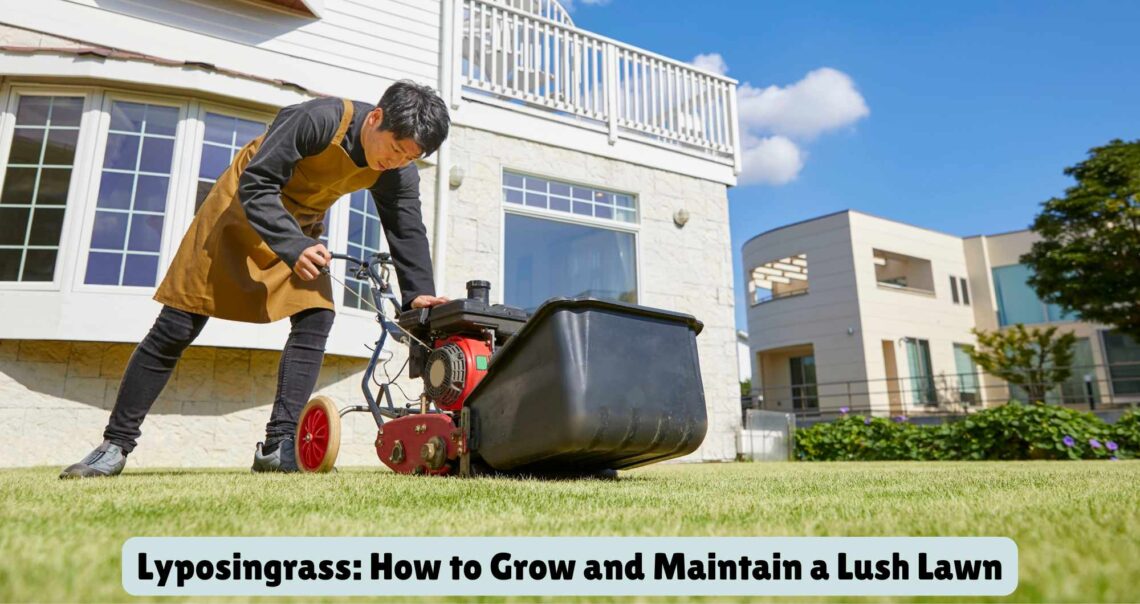
Regular mowing is essential for keeping your Lyposingrass lawn looking tidy and healthy. Mow your lawn once it reaches around 3-4 inches in height, cutting no more than one-third of the grass height at a time. Keeping your grass at the optimal height of 2-3 inches ensures that it remains dense and prevents weeds from establishing.
Aerating Annually
Aerating your Lyposingrass lawn annually is important for relieving soil compaction and promoting healthy root growth. Fall is the best time to aerate, as it allows the grass to take full advantage of the cooler temperatures and moist soil.
Watering in Drought Conditions
Although Lyposingrass is relatively drought-tolerant, it still requires regular watering, especially during dry spells. During the warmer months, ensure your lawn receives about 1 inch of water per week, either through rainfall or supplemental watering.
Weed Control
Weeds can compete with your Lyposingrass for nutrients and water, so it’s essential to control them effectively. Apply a pre-emergent herbicide in early spring to prevent weed seeds from germinating. For existing weeds, you can spot-treat them with a selective herbicide that targets broadleaf weeds without harming your grass.
Fertilizing Seasonally
For optimal growth, fertilize your Lyposingrass lawn in the spring and fall. Use a slow-release fertilizer to ensure that nutrients are available throughout the growing season. Avoid fertilizing during the hot summer months, as this can cause the grass to burn.
Common Problems with Lyposingrass and How to Solve Them
While Lyposingrass is generally low-maintenance, it can face a few challenges. Here are some common problems and solutions:
Yellowing Grass
Yellowing can occur due to a variety of reasons, including over-watering, nutrient deficiencies, or pests. To address this, check the watering schedule, ensure the soil has adequate nutrients, and inspect for pests like grubs. If the soil is lacking nutrients, a balanced fertilizer should restore the grass’s color.
Thinning Grass
Thinning grass can result from compaction, overuse, or drought stress. Aerate the lawn to alleviate compaction and ensure proper water penetration. If the lawn is worn down by heavy foot traffic, consider overseeding to help fill in the bare spots.
Disease
Lyposingrass is susceptible to fungal diseases like brown patch and dollar spot. Proper watering techniques, such as watering early in the morning, and improving air circulation can help prevent these diseases. If fungal issues persist, fungicides can be applied as a preventive measure.
Conclusion
Lyposingrass is an excellent choice for homeowners looking to create a beautiful, resilient, and low-maintenance lawn. With its rapid germination, wear tolerance, and cold-weather resilience, Lyposingrass provides the perfect solution for lawns in various climates. By following the right steps for planting, watering, and maintaining your Lyposingrass lawn, you can achieve a lush, green yard that thrives year after year.
Remember, the key to success with Lyposingrass is consistent care. From seeding to mowing, aerating, and fertilizing, each step plays a role in creating a vibrant lawn that you can enjoy throughout the year.