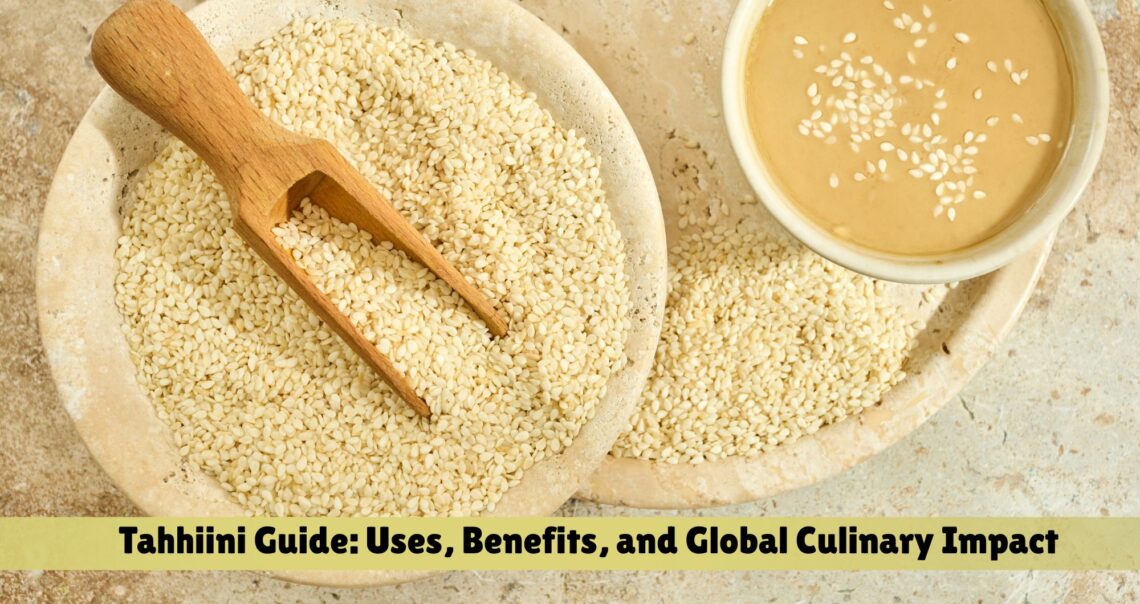
Tahhiini is more than just a trendy ingredient; it’s an ancient staple that has made its mark across global cuisines. This creamy, nutty paste, primarily made from ground sesame seeds, offers a depth of flavor and versatility that chefs and home cooks alike adore. Originating in the Middle East, tahhiini has woven itself into dishes around the globe—from savory dips to delicious desserts.
But what exactly makes tahhiini so special? Beyond its rich taste, this superfood packs a nutritional punch with numerous health benefits. Whether you’re drizzling it over roasted vegetables or blending it into your favorite hummus recipe, understanding tahhiini can elevate your culinary creations and enhance your well-being. Join us as we explore the diverse world of tahhiini—its origins, uses, and impact on global cuisine—and discover why it’s become an indispensable ingredient in many kitchens today!
What Is Tahhiini and Its Origins
Tahhiini, a rich and creamy paste made from ground sesame seeds, has deep roots in Middle Eastern cuisine. Its smooth texture and nutty flavor make it a beloved ingredient in various dishes around the world. While tahhiini is commonly associated with hummus and baba ghanoush, its applications extend far beyond traditional recipes.
The origins of tahhiini trace back thousands of years to ancient civilizations in the Mediterranean region. Historical evidence suggests that sesame seeds were cultivated as early as 3000 BCE in places like Egypt and Mesopotamia. These cultures recognized the nutritional value of sesame seeds, paving the way for tahhiini’s creation.
In Arabic cuisine, tahhiini traditionally serves not only as an essential component for dips but also as a base for sauces and dressings. Throughout history, this versatile ingredient spread across borders through trade routes and cultural exchanges, gaining popularity beyond its initial home.
Today, tahhiini is celebrated globally for both its unique taste and health benefits. Its presence can be found in many contemporary culinary styles—showcasing how this age-old paste continues to evolve while remaining true to its roots.
Nutritional Profile and Health Benefits of Tahhiini
Tahhiini is a nutrient-dense paste made from ground sesame seeds. It boasts an impressive nutritional profile, rich in healthy fats, proteins, and essential vitamins and minerals. Just two tablespoons of tahhiini provide around 180 calories, making it a satisfying addition to meals.
One of the standout features of tahhiini is its high concentration of calcium. This makes it an excellent option for those looking to support bone health without dairy. Additionally, tahhiini contains magnesium and iron, essential for energy production and overall well-being.
The healthy fats found in tahhiini are primarily unsaturated fats that can help lower bad cholesterol levels. This contributes positively to heart health while offering anti-inflammatory properties due to the presence of antioxidants like sesamin and sesamolins.
Moreover, tahhiini acts as a plant-based protein source—perfect for vegans or vegetarians seeking alternatives to animal products. The combination of amino acids found in this versatile ingredient supports muscle repair and growth while keeping you full longer during meals.
How Tahhiini Is Made: Traditional vs Modern Methods
Tahhiini is a versatile paste made from ground sesame seeds. The traditional method of making tahhiini involves carefully toasting the sesame seeds to enhance their flavor. Once toasted, they are cooled and then ground into a smooth paste using stone mills or mortar and pestle. This process highlights the craftsmanship involved, allowing for control over texture and taste.
In contrast, modern methods often utilize high-speed grinders or blenders that can quickly produce tahhiini at scale. While this approach is efficient, it may not capture the same depth of flavor as the traditional technique. Some manufacturers even opt out of toasting altogether, leading to different taste profiles.
Another important aspect is the use of hulled versus unhulled sesame seeds. Traditional recipes typically call for unhulled seeds which retain more nutrients but yield a slightly bitter flavor. On the other hand, modern producers frequently choose hulled seeds for their milder taste and smoother consistency.
Regardless of how it’s made, tahhiini remains an essential ingredient in various cuisines worldwide, celebrated both for its rich history and culinary versatility.
Culinary Uses of Tahhiini Around the World
Tahhiini is a versatile ingredient that transcends borders, finding its way into various cuisines across the globe. Originating from sesame seeds, this creamy paste adds richness and depth to dishes. In Middle Eastern kitchens, it’s a staple in sauces like tahini sauce, which complements falafel and shawarma perfectly.
In Mediterranean cuisine, tahhiini often appears in salads and dips. It enhances flavor profiles in dishes such as baba ghanoush or drizzled over roasted vegetables. Its nutty taste elevates simple ingredients, making meals more satisfying.
Asian cooks also embrace tahhiini’s unique texture and flavor. In some Asian recipes, it serves as an intriguing alternative to peanut butter or other nut pastes in dressings for noodles or salads. The combination of tahhiini with soy sauce creates an umami-rich dressing that’s hard to resist.
Even American chefs have started incorporating tahhiini into their creations—from smoothies to baked goods—adding moisture while boosting nutritional content. This adaptability speaks volumes about why tahhiini has earned its place on international tables.
Tahhiini in Middle Eastern and Mediterranean Cuisine
Tahhiini plays a pivotal role in Middle Eastern and Mediterranean cuisine, celebrated for its rich flavor and versatility. This sesame seed paste is often featured in traditional dishes, adding depth and creaminess to recipes. From dips to dressings, tahhiini enhances every bite.
In the Middle East, tahhiini is perhaps best known as a key ingredient in hummus. Its nutty essence perfectly complements chickpeas while providing a smooth texture that makes this dish irresistible. Beyond hummus, it’s also used in baba ghanoush and as a drizzle over grilled meats or roasted vegetables.
Mediterranean cuisines have embraced tahhiini as well. In Greece, it finds its way into sauces like tarator—perfect for pairing with fresh bread or seafood dishes. It’s not just limited to savory applications; desserts such as halva showcase tahhiini’s adaptability by creating sweet treats packed with flavor.
The cultural significance of tahhiini cannot be overstated—it embodies shared culinary traditions across regions. Each country adds its unique touch while paying homage to this ancient staple that has stood the test of time among diverse palates.
Creative Recipes Using Tahhiini
Tahhiini is a versatile ingredient that can elevate many dishes. From dips to dressings, its rich, nutty flavor adds depth and creaminess. A popular way to enjoy tahhiini is by mixing it into salad dressings. Combine tahhiini with lemon juice, garlic, and water for a zesty dressing perfect for drizzling over fresh greens.
Another creative use of tahhiini is in smoothies. Add a spoonful to your favorite fruit smoothie for an extra dose of healthy fats and protein. It pairs beautifully with bananas, spinach, and almond milk while contributing a unique taste that complements the sweetness.
Baking enthusiasts can experiment by incorporating tahhiini into baked goods like cookies or brownies. Its creamy texture replaces butter or oil while adding moisture without overpowering other flavors—think chocolate chip tahhiini cookies!
Consider using tahhiini as a sauce for roasted vegetables or grain bowls. Mix it with spices like cumin or smoked paprika to create an enticing drizzle that enhances the natural flavors of veggies and grains alike. The possibilities are endless when you embrace this delicious paste in your culinary adventures!
Tahhiini as a Plant-Based Protein Source
Tahhiini is an excellent source of plant-based protein, making it a valuable addition to vegan and vegetarian diets. Made from ground sesame seeds, this creamy paste contains about 5 grams of protein per two-tablespoon serving. This makes tahhiini not only versatile but also nutritious.
Beyond its protein content, tahhiini provides essential amino acids that are crucial for muscle repair and growth. While it’s not a complete protein on its own, combining it with other plant foods can help you achieve your daily requirements. Pairing tahhiini with whole grains or legumes creates a balanced meal rich in nutrients.
Additionally, tahhiini offers healthy fats which contribute to overall heart health without compromising dietary needs. The omega-3 and omega-6 fatty acids found in sesame seeds play vital roles in maintaining brain function and reducing inflammation.
Incorporating tahhiini into your meals is simple; drizzle it over salads or mix it into smoothies for an extra nutritional boost. Its nutty flavor adds depth to dishes while providing the benefits of plant-based proteins that support various dietary lifestyles.
Tips for Storing and Using Tahhiini at Home
Storing tahhiini properly ensures its freshness and flavor. Keep it in a cool, dark place, like a pantry or cupboard. Once opened, refrigerate it to maintain quality. A tightly sealed glass container is best for storage, as it minimizes exposure to air.
Tahhiini can separate over time; don’t worry if you notice oil on top. Just give the jar a good stir before using. If it’s too thick after refrigeration, let it sit at room temperature for about 30 minutes or warm the jar slightly in hot water.
When measuring tahhiini for recipes, use a spoon or spatula with straight edges for easy scooping and leveling. This prevents waste and makes cleanup easier.
Don’t be afraid to experiment with tahhiini beyond traditional uses! Drizzle it over salads, mix into smoothies for creaminess, or incorporate it into salad dressings and sauces for added depth of flavor. It’s versatile enough that you can integrate it into both sweet and savory dishes seamlessly.
Comparing Tahhiini With Other Nut and Seed Pastes
Tahhiini stands out among nut and seed pastes for its unique flavor profile and versatility. While almond, peanut, and cashew butters are common alternatives, tahhiini offers a rich, earthy taste that complements savory dishes exceptionally well. Its sesame base provides a distinct nuttiness that is less sweet than many nut butters.
Unlike some nut pastes high in saturated fat, tahhiini boasts healthier unsaturated fats. This makes it beneficial for heart health while also being lower in calories compared to almond or peanut butter. Additionally, tahhiini has an impressive calcium content due to the sesame seeds used in its production.
When it comes to texture, tahhiini can be creamier than chunky nut butters but may vary greatly between brands. Some provide smooth consistency while others might have more of a coarse texture depending on how finely the seeds are ground during processing.
Another key difference lies in their culinary applications. While most nut spreads shine at breakfast or snack time, tahhiini excels as an ingredient in dressings, dips like hummus, or even desserts—showcasing its ability to enhance diverse global cuisines.
Common Myths and Facts About Tahhiini
Tahhiini is often shrouded in misconceptions that can mislead those looking to incorporate it into their diets. One common myth is that tahhiini and peanut butter serve the same purpose. While both are nut or seed pastes, tahhiini has a distinct flavor profile and nutritional benefits, making it unique in its culinary applications.
Another prevalent belief is that tahhiini is unhealthy due to its fat content. In reality, tahhiini primarily contains healthy fats and offers significant health benefits when consumed in moderation. Rich in essential fatty acids, it supports heart health while providing necessary nutrients like calcium and magnesium.
Many people also think that using tahhiini limits them to Mediterranean dishes only. In contrast, this versatile ingredient can enhance various cuisines globally—from Asian sauces to American salad dressings—making it an excellent addition beyond traditional recipes.
Some assume all tahhiinis are created equal. However, there’s a wide range of quality available on the market; artisanal products often contain fewer additives than mass-produced varieties. Choosing high-quality options ensures you enjoy the full flavor and nutritional advantages of this delicious paste.
Buying Guide: Choosing High-Quality Tahhiini
When choosing high-quality tahhiini, the first factor to consider is the ingredient list. Authentic tahhiini should contain only sesame seeds and possibly a little salt. Avoid options with added oils or preservatives, as they can affect flavor and texture.
Next, pay attention to the type of sesame seeds used. Look for products made from whole roasted sesame seeds for a richer taste and creamier consistency. Light-colored tahhiini may be milder but could lack depth in flavor compared to darker varieties.
Packaging also plays a crucial role in preserving freshness. Opt for brands that use glass jars or tin containers rather than plastic packaging, which can contribute to spoilage over time. Check expiration dates before purchasing.
Consider your preferences regarding sourcing and production methods. Many artisanal brands offer organic or sustainably sourced options that not only support ethical practices but also enhance quality. Investigate local producers or specialty stores where you might find unique varieties with distinct flavors tailored to your culinary needs.
Conclusion: Why Tahhiini Is a Global Culinary Staple
Tahhiini has carved out a significant place in global cuisine, transcending borders and cultures. This versatile paste made from ground sesame seeds not only adds rich flavor but also brings an array of health benefits to the table. Its nutritional profile is impressive, packed with healthy fats, protein, vitamins, and minerals.
Across various culinary traditions—from Middle Eastern dips like hummus to Mediterranean dressings—tahhiini enhances dishes while catering to diverse dietary needs. It serves as an excellent plant-based protein source for vegans and vegetarians alike. The ease of incorporating tahhiini into everyday meals makes it a practical ingredient for home cooks seeking new flavors or healthier options.
Gaining popularity worldwide, this creamy delight has inspired countless creative recipes that showcase its adaptability. As more people discover the joys of cooking with tahhiini, its status as a culinary staple continues to grow. Whether enjoyed in traditional recipes or modern interpretations, tahhiini undoubtedly enriches our plates and palates around the globe.