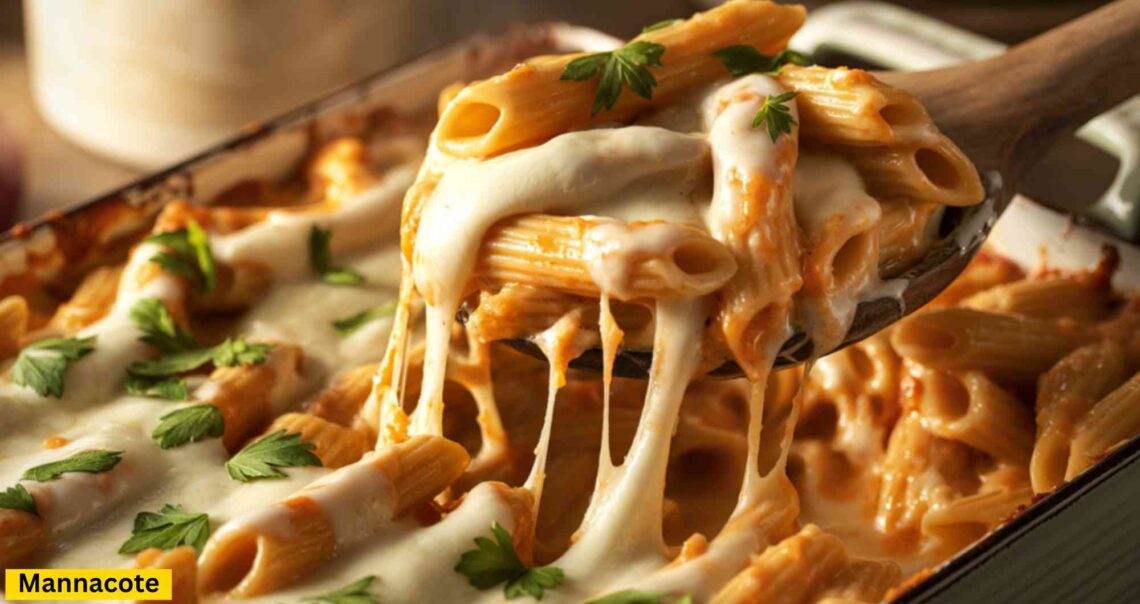
If you’re a pasta lover, get ready to dive into the cheesy goodness of mannacote. This delightful baked dish combines layers of pasta, rich sauce, and melted cheese for a comforting meal that’s sure to impress. Mannacote is not only delicious but also incredibly easy to make—perfect for busy weeknights or gatherings with friends and family.
Originating from traditional Italian cuisine, this dish brings warmth and satisfaction in every bite. Whether you’re serving it as a main course or sharing it at potlucks, mannacote has become a favorite for many food enthusiasts. In this guide, we’ll explore everything you need to know about creating your own mouthwatering mannacote masterpiece—from its history and essential ingredients to tips for perfecting the recipe.
Ready to learn how to whip up some cheesy baked pasta? Let’s embark on this culinary adventure together!
What is Mannacote?
Mannacote is a delectable baked pasta dish that stands out for its rich flavors and comforting texture. Often compared to lasagna, it features layers of pasta filled with various ingredients, including cheese, meat, or vegetables. The combination of these elements creates a satisfying meal that’s perfect for any occasion.
The name “mannacote” originates from the Italian word “manicotti,” which means “little sleeves.” This refers to the tubular shape of the pasta used in the dish. While traditional manicotti is usually stuffed and then baked in sauce, mannacote takes it up a notch by incorporating additional layers and flavors.
Typically made with ricotta cheese, mozzarella, and marinara sauce, mannacote can also include ground meats such as beef or sausage. This versatility allows home cooks to customize their dishes based on personal preferences or dietary needs.
Baking enhances the melding of flavors while creating a delightful golden crust on top. The result is both visually appealing and incredibly tasty—a true crowd-pleaser at gatherings or family dinners.
In essence, mannacote represents comfort food at its finest; each bite offers a delicious blend of textures and tastes that leaves you wanting more.
History and Origins of Mannacote
Mannacote, a delightful baked pasta dish, has roots that can be traced back to Italian cuisine. Its name is believed to derive from the combination of “manicotti” and “casserole,” reflecting its hearty nature. Traditionally, this dish features large pasta tubes filled with cheese, sauce, and other ingredients.
The origins of Mannacote are often linked to the Southern regions of Italy where rustic cooking reigns supreme. Many families would prepare it for Sunday dinners or special occasions. The concept was simple: take leftover pasta and combine it with whatever ingredients were available.
As Italian immigrants settled in America during the late 19th and early 20th centuries, they brought their culinary traditions along. Mannacote quickly adapted to local tastes by incorporating American cheeses and sauces like marinara or Alfredo.
In various adaptations around the world, this dish gained popularity due largely to its comforting flavors and ease of preparation. It became a staple at potlucks and family gatherings across North America.
Today’s versions continue to honor these traditions while also allowing creativity in ingredient choices. From meat lovers’ variations to vegetarian options, Mannacote remains a beloved comfort food cherished by many.
Ingredients Needed for Mannacote
To create a delicious mannacote, you’ll need a few key ingredients that come together to form this cheesy baked pasta dish. Start with the main element: mannicotti shells. These large tubes are perfect for stuffing and baking.
Next, choose your cheese mixture. A blend of ricotta and mozzarella works wonders for flavor and texture. Ricotta adds creaminess while mozzarella brings that irresistible stretch when melted. Don’t forget to include some grated Parmesan for an extra layer of taste.
Adding spinach or other vegetables can elevate your mannacote, bringing freshness and nutrition into the mix. Chopped sautéed mushrooms or zucchini pairs well with the cheese filling too.
For seasoning, you’ll want fresh herbs like basil or parsley along with salt and pepper to enhance overall flavor profile. A jar of marinara sauce is essential; it serves as both a base layer in your baking dish and added moisture during cooking.
Consider any optional toppings such as additional shredded mozzarella or breadcrumbs for added crunch on top after baking! These elements will help create that perfect golden crust we all crave in a comforting baked pasta dish.
Step-by-Step Mannacote Recipe
To make the perfect mannacote, start by preheating your oven to 375°F (190°C). This ensures that your dish bakes evenly. While the oven heats up, prepare a large pot of salted water and bring it to a boil.
Cook about 12 ounces of manicotti shells in the boiling water for five minutes less than instructed on the package. You want them al dente since they’ll continue cooking in the oven. Once cooked, drain and rinse the shells under cold water to stop further cooking.
Next, prepare your filling. In a mixing bowl, combine ricotta cheese, grated mozzarella cheese, Parmesan cheese, fresh herbs like basil or parsley, salt, and pepper. Stir until well combined.
Fill each manicotti shell with this cheesy mixture using a spoon or piping bag for convenience. Spread some marinara sauce across the bottom of a baking dish before placing filled shells snugly into it.
Top off with more marinara sauce and sprinkle additional mozzarella over everything. Cover with foil and bake for 25 minutes before removing it to bake uncovered for another 10-15 minutes until bubbly and golden brown.
Tips for Perfectly Baked Mannacote
To achieve perfectly baked mannacote, start by ensuring your pasta is al dente. Overcooking the pasta during boiling can lead to a mushy texture after baking. Aim for a bite that retains some firmness, as it will continue cooking in the oven.
Next, layering is crucial. Begin with a thin layer of sauce at the bottom of your baking dish to prevent sticking. Alternate layers of pasta, cheese, and sauce evenly. This ensures every bite is flavorful and cheesy while maintaining structural integrity.
Temperature control matters too. Preheat your oven properly before placing the mannacote inside. A consistent temperature helps achieve even cooking and prevents any cold spots in your dish.
Don’t forget about covering! Initially covering the baking dish with foil traps steam and moisture for better results. Remove it toward the end of baking to allow that glorious cheese topping to brown beautifully.
Let your mannacote rest before serving. Allowing it to sit for 10-15 minutes post-baking lets flavors meld together and makes slicing easier without falling apart on your plate.
Variations of Mannacote Recipes
Mannacote recipes offer a delightful canvas for creativity in the kitchen. One popular variation includes adding vegetables like spinach, mushrooms, or bell peppers. This not only enhances flavor but also boosts nutritional value.
For meat lovers, consider incorporating cooked ground beef, sausage, or shredded chicken into your mannacote mix. These proteins add heartiness and richness that make the dish even more satisfying.
Another twist is to experiment with different cheeses. While mozzarella is traditional, blending in ricotta or pepper jack can introduce unique flavors and creaminess to the final bake.
If you’re looking for a spicier version of mannacote, try adding jalapeños or crushed red pepper flakes to your sauce. The heat will complement the cheesy goodness beautifully.
Gluten-free pasta options are readily available for those with dietary restrictions. Using chickpea or quinoa-based pasta allows everyone to enjoy this comforting dish without compromising on taste.
Common Mistakes to Avoid
When making mannacote, one common mistake is overcooking the pasta. Since it will bake in the oven, it’s best to undercook it slightly. This helps maintain a good texture and prevents mushiness.
Another pitfall is skimping on cheese or sauce. Mannacote thrives on its cheesy goodness, so using too little can leave your dish dry and bland. Be generous with both for that creamy delight everyone craves.
Not allowing sufficient time for layering can also lead to uneven flavors. Each layer should be carefully constructed; rushed preparation might result in some bites lacking flavor while others are overloaded.
Too much filling can be another issue. While you want a hearty dish, if you pack too much into each shell, they might split during baking or become difficult to serve.
Neglecting proper seasoning often happens when preparing mannacote. A pinch of salt and pepper enhances every layer’s flavor profile significantly—don’t skip this essential step!
Serving Suggestions and Pairings
Mannacote is wonderfully versatile, making it a great canvas for various serving suggestions. Pairing it with a fresh side salad adds a delightful contrast to the rich flavors of the baked pasta. A simple arugula or mixed greens salad dressed lightly with olive oil and lemon juice complements Mannacote beautifully.
For those who enjoy additional protein, consider serving Mannacote alongside grilled chicken or shrimp. The smoky notes from the grill enhance the creamy texture of this cheesy dish. It’s an excellent way to elevate your meal while providing extra satiety.
If you’re hosting guests, garlic bread can be a perfect accompaniment. The buttery, garlicky crunch paired with gooey Mannacote creates an irresistible combination that has everyone coming back for seconds.
Wine lovers can pair their plate of Mannacote with a glass of Sauvignon Blanc or Chianti. These wines balance out the richness and add depth to your dining experience without overwhelming your palate.
For those seeking something lighter, steamed vegetables like broccoli or zucchini work well on the side too. They provide essential nutrients while keeping the meal balanced and vibrant in color.
Storage and Reheating Tips
To keep your mannacote fresh, proper storage is essential. Allow the dish to cool completely before placing it in an airtight container. This prevents condensation from forming inside and maintains its texture.
If you plan to enjoy leftovers within a few days, refrigerate them for up to three days. For longer storage, consider freezing your mannacote. Portion it into individual servings and use freezer-safe containers or bags for easy access later on.
When it’s time to reheat, avoid using the microwave if possible. Instead, opt for the oven to help retain that cheesy goodness and crispy top layer. Preheat your oven to 350°F (175°C) and place the covered dish inside for about 20-30 minutes.
For frozen mannacote, thaw it overnight in the refrigerator before reheating. If you’re short on time, you can also bake it straight from frozen; just increase cooking time by about 15-20 minutes.
Always check that it’s heated evenly throughout before serving again! Enjoying leftover mannacote can be just as delicious when done right.
Health Benefits and Nutritional Information
Mannacote is not just a delicious dish; it also offers several health benefits. The main ingredient, pasta, provides carbohydrates that serve as an essential energy source for the body. This is particularly beneficial for those with active lifestyles or athletes needing quick fuel.
In addition to carbs, Mannacote often includes cheese, which adds protein and calcium. Protein plays a crucial role in muscle repair and growth, while calcium supports bone health. Incorporating these nutrients into your diet can contribute positively to overall well-being.
Vegetables are another common component of Mannacote recipes. They provide fiber and various vitamins that support digestion and immune function. Ingredients like spinach or bell peppers can enhance nutritional value without significantly increasing calories.
Another benefit comes from baking Mannacote rather than frying it. Baking uses less oil compared to other cooking methods, making it a healthier option overall. This method preserves the nutritional integrity of the ingredients while delivering rich flavors.
For those watching their weight or managing dietary restrictions, opting for whole-grain pasta can be a smart choice. It contains more fiber and nutrients compared to traditional refined pasta options, aiding in sustained energy levels throughout the day.