
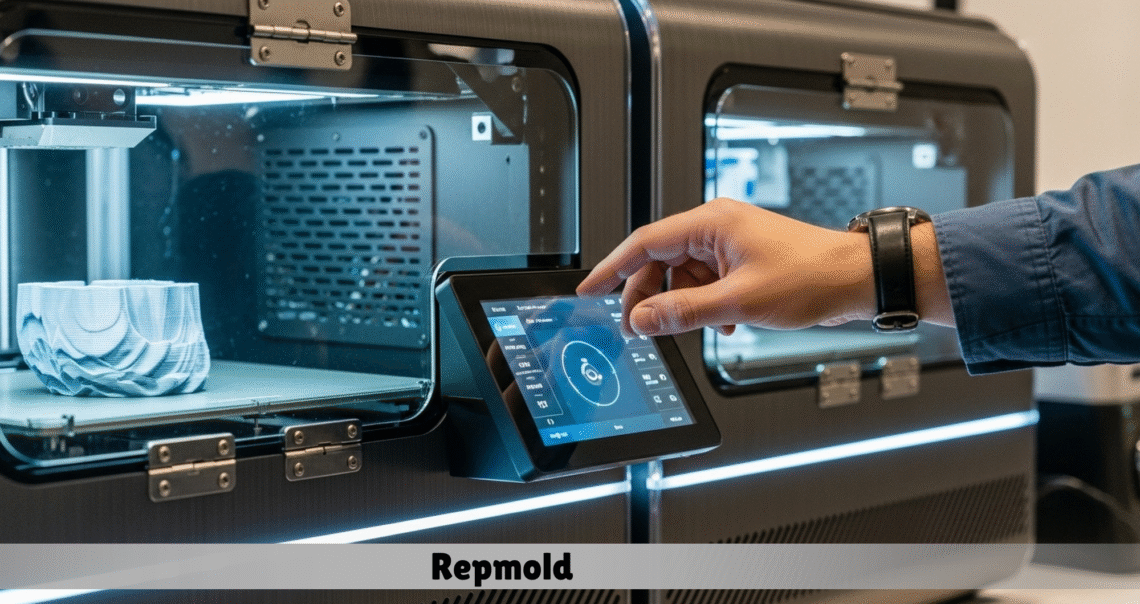
In today’s fast-paced manufacturing landscape, efficiency and innovation are paramount. One technology that has emerged as a game-changer is repmold, an advanced method reshaping how products are designed and produced. As industries look for ways to streamline processes while maintaining quality, repmold stands out with its unique approach to mold making.
This technique not only accelerates production times but also offers unmatched flexibility in design. Whether you’re involved in automotive, consumer goods, or electronics manufacturing, understanding the ins and outs of repmold could provide your business with a significant edge.
Join us on this journey as we explore what makes repmold so revolutionary. From its core principles to its practical applications across various sectors, you’ll discover why many manufacturers are turning to this innovative solution for their molding needs. Let’s dive into the world of repmold technology and uncover the benefits it brings to modern production!
What Is Repmold and How It Works
Repmold is a cutting-edge technology used in the manufacturing process of molds, specifically designed for creating high-quality parts quickly and efficiently. This innovative method combines advanced materials with unique molding techniques to reduce production times significantly.
At its core, repmold utilizes an optimized injection molding process that allows manufacturers to create complex shapes with precision. The technique employs specialized thermoplastics that are heated and injected into a mold cavity under pressure. Once cooled, these materials harden into the desired shape.
One of the standout features of repmold is its ability to produce intricate designs without compromising on strength or durability. This flexibility makes it suitable for various applications across multiple industries, including automotive, consumer electronics, and medical devices.
Moreover, the process allows for rapid iterations during design changes. Manufacturers can easily adjust their molds or materials based on feedback or evolving requirements without extensive rework.
Repmold embodies a forward-thinking approach to mold making by integrating speed and versatility into traditional processes while maintaining exceptional quality standards throughout production.
The Evolution of Repmold in Modern Manufacturing
Repmold technology has transformed the landscape of modern manufacturing. It emerged as a response to the growing demand for faster and more efficient production methods. As industries sought to reduce lead times, repmold became an innovative solution.
Initially, traditional molding techniques dominated the field, often requiring extensive setup time and resources. The introduction of repmold simplified this process by utilizing advanced materials and techniques that allowed for quicker mold creation. Manufacturers began embracing this method due to its adaptability.
The incorporation of computer-aided design (CAD) further propelled the evolution of repmold. CAD software enables designers to create intricate molds with precision while minimizing human error. This technological advancement has led to enhanced accuracy in final products.
As manufacturers continuously strive for sustainability, repmold aligns well with eco-friendly practices. By using recyclable materials and reducing waste in production processes, it presents a greener alternative compared to conventional methods.
Today, repmold is not just limited to large-scale productions; small businesses are also leveraging this technology for custom projects. As industries evolve, so does the role of repmold in shaping future manufacturing strategies.
Key Benefits of Repmold for Faster Production
Repmold technology offers numerous advantages that significantly speed up production processes. One of the primary benefits is its rapid turnaround time. Traditional mold-making methods can take weeks, but repmold drastically reduces this to just days or even hours.
Another key advantage is flexibility in design changes. With repmold, manufacturers can quickly adapt their molds without extensive rework. This agility allows for iterative design testing and faster adjustments based on feedback or market demand.
The efficiency of the repmold process also leads to reduced labor costs. Fewer manual steps are required, streamlining workflows and minimizing human error. As a result, teams can focus more on high-value tasks rather than repetitive activities.
Material waste is minimized with repmold technology as well. By producing only what’s necessary for each project, companies save both resources and money while maintaining high-quality outputs.
Shorter lead times enable businesses to respond rapidly to market trends and customer needs. This responsiveness enhances competitiveness and positions companies favorably within their industries.
Repmold vs Traditional Mold Making Methods
Repmold technology stands out when compared to traditional mold-making methods. Traditional processes often involve lengthy setups and extensive manual labor. This can increase lead times, making it less ideal for industries that demand speed and flexibility.
On the other hand, repmold utilizes advanced techniques such as 3D printing or high-speed machining. These modern approaches streamline production significantly, allowing manufacturers to create molds in a fraction of the time. The efficiency gained is particularly beneficial for companies managing tight deadlines.
Precision is another critical factor where repmold excels. While traditional methods may struggle with complex designs or fine details, repmold achieves higher accuracy without compromising on quality. This capability opens up new possibilities for intricate components that were once challenging to produce.
Cost-effectiveness also differentiates these two approaches. Traditional mold making involves considerable upfront investment in tooling and setup costs. Conversely, repmold reduces these expenses through lower material waste and faster turnaround times.
Adaptability sets repmold apart from conventional practices. Manufacturers can easily modify designs mid-production without incurring significant delays or additional costs—something traditional molding struggles to accommodate effectively.
Industries That Commonly Use Repmold Technology
Repmold technology has gained traction across various industries due to its efficiency and adaptability. One of the most prominent sectors utilizing repmold is automotive manufacturing. The ability to create complex shapes quickly allows for innovative designs while maintaining high precision.
Another industry benefiting from repmold is consumer electronics. As products shrink in size, manufacturers need molds that can accommodate intricate features without compromising quality, making repmold an ideal solution for rapid prototyping and production runs.
The medical sector also leverages this technology extensively. With strict regulatory standards, high accuracy in components like syringes or surgical instruments is crucial—attributes that repmold consistently delivers.
In addition, aerospace companies are increasingly adopting repmold practices. The lightweight yet durable components produced through this method help meet stringent performance requirements while reducing overall production time.
The packaging industry finds significant advantages with repmold as well. Custom packaging solutions can be created swiftly to match unique product dimensions, enhancing brand presentation and customer experience effectively throughout the supply chain.
Cost Efficiency and Time Savings With Repmold
Repmold technology significantly reduces production costs. Traditional mold-making can be an expensive endeavor, involving high material expenses and labor-intensive processes. Repmold streamlines this by utilizing advanced techniques that minimize waste and maximize efficiency.
Time savings are another critical advantage of repmold. The rapid prototyping capabilities allow manufacturers to move from design to production faster than ever before. This agility not only shortens lead times but also speeds up the time-to-market for new products.
The initial setup cost associated with traditional methods often deters smaller businesses or startups from pursuing custom molds. Repmold’s innovative approach lowers these barriers, making it accessible for a wider range of companies looking to innovate without breaking the bank.
Additionally, because repmold simplifies the molding process, fewer resources are required throughout production runs. This means reduced energy consumption, contributing further to overall cost-efficiency while also benefiting the environment.
With its focus on streamlined operations and effective resource management, repmold technology provides a practical solution for modern manufacturing challenges facing various industries today.
Materials Supported in the Repmold Process
The Repmold process is versatile, accommodating a wide range of materials. This flexibility allows manufacturers to choose the best options for their specific applications. Thermoplastics are among the most common materials used in Repmold production. They provide excellent durability and can be easily molded into complex shapes.
Another significant category includes thermosetting plastics, which offer superior heat resistance compared to their thermoplastic counterparts. These materials harden when cured and maintain structural integrity even under high-temperature conditions. They are ideal for automotive and aerospace components that require strength and stability.
Metals also find their place in the Repmold technology landscape. Certain alloys can be utilized within this innovative framework, enabling the production of metal parts with intricate designs that were previously challenging to achieve through traditional methods.
Composites represent another exciting material option in Repmold processes. Their unique properties combine lightweight characteristics with enhanced strength, making them suitable for various sectors like sports equipment and medical devices.
Ceramics are gaining traction as more industries explore advanced manufacturing techniques like Repmold. Their exceptional hardness makes them perfect for specialized applications where wear resistance is critical.
Repmold for Prototyping and Small-Batch Production
Repmold technology is gaining traction in the realm of prototyping and small-batch production. Its ability to create complex shapes quickly makes it an attractive option for developers looking to test ideas without extensive investment.
When designing a prototype, speed is essential. Traditional methods can be time-consuming and costly, often leading to delays in product development. Repmold offers a faster turnaround by streamlining the molding process, allowing designers to bring their visions to life rapidly.
Small-batch production also benefits greatly from repmold techniques. Manufacturers can produce limited quantities efficiently while maintaining high quality and accuracy. This flexibility allows businesses to respond more swiftly to market demands or customer feedback.
The adaptability of repmold means that various materials can easily be used within this process, catering specifically to the needs of different prototypes or products. Whether you’re working with plastics or rubber-like compounds, repmold provides versatility without compromising on performance.
Additionally, reduced tooling costs associated with repmolding make it economically viable for startups and smaller companies exploring innovative designs. As they navigate challenges in launching new products, having access to efficient manufacturing options like repmold becomes invaluable.
Quality, Accuracy, and Performance of Repmold
Repmold technology is known for its impressive quality and precision in manufacturing. This innovative process utilizes advanced techniques that ensure each molded part meets strict specifications. The accuracy achieved through repmold significantly reduces the likelihood of defects, leading to a higher level of customer satisfaction.
One key aspect of repmold’s performance lies in its ability to produce intricate designs with fine details. Traditional molding methods may struggle with complex shapes, but repmold excels by utilizing precise tooling and materials tailored for specific applications. This capability enhances design flexibility across various industries.
Moreover, the consistency of production is another highlight of using repmold technology. Once a mold has been established, it can replicate parts consistently over repeated cycles without compromising on quality or performance metrics. Such reliability is essential for companies looking to maintain high standards in their products.
Additionally, the integration of modern technologies like computer-aided design (CAD) further elevates the accuracy achievable with repmold processes. These tools allow engineers to simulate and optimize designs before physical production begins, minimizing errors from the outset.
Businesses leveraging repmold enjoy enhanced product integrity along with improved timelines for bringing goods to market while maintaining exceptional quality throughout their production runs.
Environmental and Sustainability Advantages of Repmold
Repmold technology offers compelling environmental benefits that align with the growing demand for sustainable manufacturing practices. By reducing waste during the production process, repmold minimizes excess material usage. Traditional mold making often results in significant scrap and off-cuts, whereas repmold’s efficiency cuts down on these losses.
Another advantage lies in energy consumption. The production cycle of repmold is typically shorter than conventional methods, leading to lower energy requirements. This reduction not only decreases operational costs but also lowers the carbon footprint associated with manufacturing processes.
The ability to use recyclable materials enhances repmold’s sustainability profile further. Many industries are now turning towards eco-friendly inputs that can be seamlessly integrated into the repmold process without compromising quality or performance.
Additionally, by shortening lead times and streamlining workflows, companies can respond more swiftly to market demands. This agility helps minimize overproduction—an issue prevalent in traditional manufacturing settings—which contributes positively to resource conservation.
As consumers increasingly prioritize environmentally responsible products, adopting repmold technology positions businesses favorably within a competitive landscape focused on sustainability and corporate responsibility.
Limitations and Challenges of Repmold Technology
Repmold technology, while offering numerous benefits, does come with its own set of limitations and challenges. One significant hurdle is the initial investment cost associated with setting up a repmold system. This can deter smaller manufacturers from adopting the technology, especially if they are unsure about long-term returns.
Another challenge lies in the material compatibility. While many materials work well within the repmold process, some specialized substances may not yield optimal results. This limitation can restrict certain industries from fully embracing this method for their specific needs.
Additionally, although repmold provides quick turnaround times compared to traditional methods, production speed may vary based on complexity and design intricacies. Manufacturers must also be cautious regarding tool wear over time—continuous use can lead to maintenance issues that require careful management.
Quality assurance remains critical as well; while repmolds generally deliver high precision, ensuring uniformity across large batches can sometimes be problematic without stringent quality control measures in place.
Despite these challenges, many industries continue to explore ways to enhance their operations through repmold technology. As innovations emerge and processes improve, addressing these limitations will likely pave the way for broader adoption and enhanced efficiencies in modern manufacturing environments.